


Key Factors That Affect Your Investment Returns Key Takeaways
Your investment returns are shaped by a mix of economic forces, personal behavior, and market mechanics.
- Key Factors That Affect Your Investment Returns include inflation, interest rates, fees, and market volatility — each can silently erode or boost your portfolio.
- Diversification and compound interest are two of the most powerful tools for consistent long-term growth.
- Behavioral pitfalls like emotional trading and lack of discipline often cause bigger losses than market crashes themselves.
What Readers Should Know About Key Factors That Affect Your Investment Returns
Whether you are a fresh graduate in Manila starting your first mutual fund, an OFW in Dubai building a retirement nest egg, or a freelancer saving for a future property, the returns you earn are never random. They are the result of specific factors that you can understand, measure, and — most importantly — influence. This guide walks through the 15 most important forces that determine your investment outcomes, with practical steps that work for Filipino investors and anyone new to the market. For a related guide, see 12 Important Things You Must Know about REITs First.

1. Inflation — The Silent Wealth Eroder
Inflation and investments have a direct, inverse relationship. When the cost of goods and services rises, your purchasing power falls. If your portfolio earns 5% but inflation hits 6%, you are effectively losing 1% of buying power each year. Many beginners overlook this because they focus on nominal returns, not real returns (returns minus inflation).
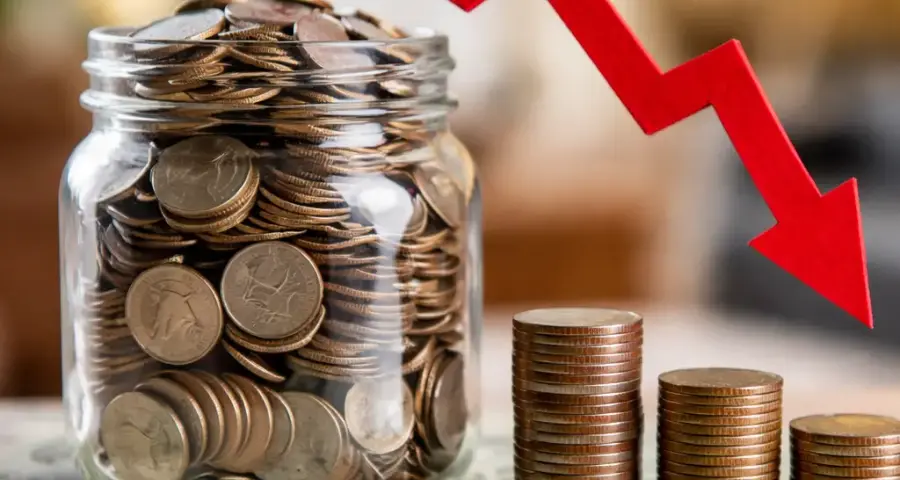
For example, a time deposit earning 3% in the Philippines may look safe, but with average inflation around 4–5%, you are actually losing ground. Including assets that historically outpace inflation — like equities, real estate, or inflation-indexed bonds — helps preserve your wealth.
2. Interest Rates and the Stock Market Connection
How do interest rates affect the stock market? Central banks raise interest rates to cool inflation, which makes borrowing more expensive for companies and consumers. Higher rates reduce corporate profits and lower stock valuations. Conversely, rate cuts tend to boost markets by lowering borrowing costs and encouraging spending.

For bond investors, rising rates mean existing bonds lose value because newer bonds pay higher yields. Understanding this cycle helps you adjust your investment portfolio planning — for example, shifting toward shorter-duration bonds or defensive stocks when rates climb.
3. Diversification — Your Best Defense
Why is diversification important for investors? Diversification spreads your capital across different asset classes (stocks, bonds, real estate, cash), industries, and geographies so that a single loss doesn’t sink your entire portfolio. It is the closest thing to a free lunch in investing.
A well-diversified Filipino investor might combine PSE stocks, a global index fund like VWRA, local REITs, and a high-yield savings account. Diversification strategies reduce volatility without necessarily sacrificing long-term returns. When one sector underperforms, another may compensate.
4. Market Volatility — Friend or Foe?
How can market volatility change returns? Volatility creates both risk and opportunity. Sharp drops can scare beginners into selling at a loss, while savvy investors see them as buying opportunities. The key is your time horizon. If you need the money next year, volatility is a threat. If you have 10+ years, a market downturn is a chance to buy quality assets at a discount. For a related guide, see 5 Low Risk Investments for Filipino OFWs Abroad Assets.
Stock market volatility is normal. The Philippine Stock Exchange index (PSEi) has seen annual swings of 20-30% many times. The investors who stay calm and stick to their plan — rather than panic-selling — tend to come out ahead.
5. Investment Fees — The Unseen Drag
How do investment fees impact earnings? Even small fees compound into large losses over decades. A 1% annual fee on a ₱1 million portfolio held for 30 years with a 7% return costs you roughly ₱800,000 in foregone gains. That’s almost as much as the original principal.
Always check expense ratios for mutual funds and UITFs, brokerage commissions, and advisory fees. Low-cost index funds, like those tracking the PSEi or S and P 500, typically charge 0.1% to 0.5%, significantly less than actively managed funds. Investment fee awareness is a cornerstone of smart investing.
6. Your Time Horizon
What role does timing play in investing? Time in the market beats timing the market. Trying to predict short-term moves rarely works, even for professionals. What matters more is how long you stay invested. Longer horizons allow you to ride out downturns and benefit from compound interest growth.
A beginner who invests ₱5,000 per month from age 25 to 60 will accumulate far more than someone who invests twice as much but starts at age 40. Starting early — even with small amounts — gives time to work its magic.
7. Compound Interest — The Eighth Wonder
What is the effect of compound interest on wealth? Compound interest means you earn returns not only on your original capital but also on the returns from previous periods. Over 20 or 30 years, this snowball effect creates exponential growth.
For instance, ₱100,000 invested at 8% annually becomes ₱466,000 in 20 years without any additional contributions. With monthly additions of ₱5,000, it grows to over ₱3 million. This is why wealth accumulation methods emphasize consistency over size.
8. Taxes and Their Effect on Net Returns
How do taxes reduce investment profits? In the Philippines, interest from bank deposits is subject to 20% final withholding tax. Capital gains from stock sales are taxed at 0.6% (transaction tax), while dividends have a 10% withholding tax for listed shares. Mutual fund gains are also subject to capital gains tax when redeemed.
Using tax-efficient accounts like an Employee Stock Purchase Plan (ESPP) or investing through tax-advantaged vehicles such as the PERA (Personal Equity and Retirement Account) can reduce your tax burden. Tax-efficient investing keeps more of your earnings working for you.
9. Financial Discipline — The Habit That Compounds
Why is financial discipline important in investing? Discipline means sticking to a savings plan, reinvesting dividends, and not chasing hot stocks or selling in a panic. It is the bridge between knowing what to do and actually doing it.
Building disciplined investing habits starts with automating contributions. Set up a monthly auto-transfer from your payroll account to your brokerage or mutual fund. This removes emotion and ensures you buy consistently — even when markets are down.
10. Economic Conditions — The Big Picture
How do economic conditions influence investments? Gross domestic product (GDP) growth, unemployment rates, and consumer confidence affect corporate earnings and investor sentiment. During a recession, stocks typically fall. During an expansion, they rise.
As a long-term investor, you cannot control the economy, but you can prepare. Keep an emergency fund of 3 to 6 months of expenses so you never have to sell investments during a downturn. Economic trends and investing remind us that recessions are temporary, but portfolios built for the long haul recover and grow.
11. Psychological Biases — The Enemy Within
How can emotions affect investing decisions? Fear and greed are the two biggest threats to your returns. Fear makes you sell near the bottom. Greed makes you buy near the top. Both cost you dearly.
Investment psychology teaches us to recognize these emotions and create systems to override them. Use a written investment plan that specifies your asset allocation and rebalancing rules. When markets crash, refer back to your plan rather than your gut feeling.
12. Common Mistakes That Destroy Returns
What mistakes lower investment returns? The most common include trying to time the market, overtrading (buying and selling too often), ignoring fees, failing to diversify, and chasing past performance. These investment mistakes to avoid are avoidable if you educate yourself before committing money.
Beginners often fall into the trap of buying a stock just because it went up. Instead, focus on fundamentals and long-term trends. Beginner investing tips always include: start small, stay diversified, and think in decades.
13. Patience and Long-Term Thinking
Why is patience important for successful investing? Investments rarely follow a straight line upward. There will be months or even years of flat or negative returns. Patience allows you to stay in the game and benefit from the eventual recovery and growth.
Historical data shows that the S and P 500 has delivered positive returns in roughly 75% of all rolling 10-year periods. The Philippine stock market has shown similar resilience over two decades. Long-term investment growth rewards those who do not give up during rough patches.
14. Smart Habits for Better Performance
What habits improve investment performance? Consistent saving, regular portfolio rebalancing, ongoing education, and tracking your net worth are foundational. Smart investing habits also include reading annual reports, following credible market news, and learning from mistakes.
Create a monthly ritual: review your portfolio, check if your asset allocation is still aligned with your goals, and read one article or listen to one podcast about investing. Over time, this knowledge compounds just like your money.
15. Asset Allocation — The Most Important Decision
How can investors maximize long-term growth? The single biggest factor in your long-term return is how you divide your money among stocks, bonds, real estate, and cash. Asset allocation determines roughly 90% of your portfolio’s volatility and return, according to landmark research.
A younger investor with a 20-year horizon might hold 80% stocks and 20% bonds. An older investor nearing retirement may shift to 60% bonds and 40% stocks. Smart asset allocation balances growth with risk according to your personal timeline and comfort.
Useful Resources
Learn more about Philippine investing basics from the Bangko Sentral ng Pilipinas investor education page. For global market data and portfolio tracking, visit Investopedia.
Frequently Asked Questions About Key Factors That Affect Your Investment Returns
What factors affect investment returns?
The main factors include inflation, interest rates, diversification, fees, time horizon, compound interest, taxes, discipline, economic conditions, emotions, and asset allocation. Each can either boost or reduce your net returns.
How does inflation impact investments?
Inflation erodes the purchasing power of your money. If your investment returns are lower than the inflation rate, you are effectively losing value. Investing in growth assets like stocks and real estate can help outpace inflation.
Why is diversification important for investors?
Diversification reduces risk by spreading your money across different assets and sectors. When one investment performs poorly, others may perform well, protecting your overall portfolio from major losses.
How do interest rates affect the stock market?
Higher interest rates increase borrowing costs for companies, which can reduce profits and lower stock prices. Lower rates tend to stimulate borrowing, spending, and stock market performance.
What investment risks should beginners know?
Beginners should understand market risk (prices go down), inflation risk (purchasing power loss), interest rate risk, liquidity risk (can’t sell quickly), and emotional risk (making fear-based decisions).
How can market volatility change returns?
Volatility creates price swings. Short-term volatility can hurt if you sell during a downturn, but long-term investors can use volatility to buy assets at lower prices, potentially increasing future returns.
What role does timing play in investing?
Time in the market is more important than timing the market. Starting early and staying invested for decades allows compound interest to work effectively, regardless of short-term price fluctuations.
How do taxes reduce investment profits?
Taxes on interest, dividends, and capital gains reduce your net returns. In the Philippines, withholding taxes apply to bank interest and dividends. Using tax-efficient accounts can help minimize the impact.
Why is financial discipline important in investing?
Financial discipline ensures you stick to your savings and investment plan, avoid emotional decisions, and stay consistent during market ups and downs. It is essential for achieving long-term goals.
How do economic conditions influence investments?
Economic growth, unemployment, and inflation affect corporate earnings and investor confidence. A strong economy typically supports rising stock prices, while recessions can trigger market declines.
What mistakes lower investment returns?
Common mistakes include emotional trading, overtrading, high fees, lack of diversification, ignoring inflation, and trying to time the market. These errors can significantly reduce long-term growth.
How can investors maximize long-term growth?
Focus on asset allocation, keep fees low, reinvest dividends, stay diversified, avoid emotional decisions, and maintain a long time horizon. Consistency and patience are key to maximizing returns.
What is the effect of compound interest on wealth?
Compound interest allows your investment earnings to generate their own earnings over time. It creates exponential growth that can turn small regular contributions into substantial wealth over decades.
How do investment fees impact earnings?
Fees reduce the amount of money working for you. A 1% fee may seem small but can consume a large portion of your potential gains over 20–30 years. Always choose low-cost funds and brokers.
Why should investors study market trends?
Understanding market trends helps you identify which sectors are growing, adjust your portfolio allocation, and avoid overvalued assets. It supports better market trend analysis and smarter decisions.
How does diversification reduce financial risk?
By spreading investments across different assets and industries, diversification ensures that a single loss does not severely impact your entire portfolio. This is a core principle of investment risk management.
What are the biggest threats to investment growth?
The biggest threats include high inflation, high fees, poor diversification, emotional decision-making, and lack of time horizon. Managing these threats is crucial for wealth preservation.
How can emotions affect investing decisions?
Emotions like fear and greed cause investors to buy high and sell low. Recognizing these investment psychology traps and relying on a written plan can protect your returns.
Why is patience important for successful investing?
Markets go through cycles of ups and downs. Patience allows you to stay invested through downturns and benefit from the long-term upward trend. It is a key trait of successful investors.
What habits improve investment performance?
Automating savings, rebalancing quarterly, staying educated, tracking net worth, and reviewing your portfolio monthly are smart investing habits that boost performance over time. For a related guide, see 8 Daily Habits of Highly Successful Filipino Investors.