


Weak Peso Affects OFW Earnings Key Takeaways
In 2026, the weak peso affects OFW earnings significantly by increasing the peso value of every dollar, euro, or yen sent home.
- The weak peso affects OFW earnings by boosting the nominal peso amount received, but inflation reduces actual buying power.
- Choosing the right transfer method and timing can add thousands of pesos annually to a family’s budget.
- Investing a portion of remittances in dollar-denominated or inflation-resistant assets helps preserve long-term value.
What a Weaker Peso Means for OFWs in 2026
The Philippine peso has faced persistent depreciation against major global currencies, a trend many analysts expect to continue into 2026. For the millions of overseas Filipino worker remittances that flow into the country each year, weak peso impact on OFWs is immediate and measurable. When the peso weakens, each dollar earned abroad buys more pesos, which can be a powerful boost to household income. However, this isn’t a simple story of more money in the bank — the broader economic picture matters just as much.

Exchange Rate Mechanics: Why the Peso Weakens
The USD to PHP exchange rate is influenced by several factors: interest rate differentials set by the Bangko Sentral ng Pilipinas currency policy, the country’s trade balance, remittance flows, and global investor sentiment. In 2026, factors such as continued U.S. monetary tightening and slower Philippine export growth could push the peso lower. Understanding peso depreciation meaning is crucial: it simply means that one US dollar buys more pesos than before. For a related guide, see OFW Remittances Hit Record High in 2026.
How Much More Money Do OFWs Really Receive?
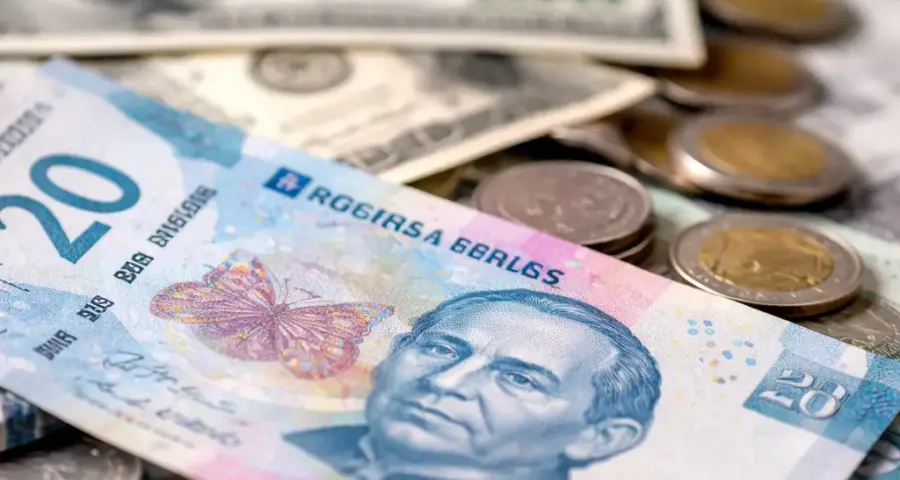
If the peso weakens from PHP 55 to PHP 60 per dollar, an OFW earning $2,000 monthly sees their remittance jump from PHP 110,000 to PHP 120,000 — an extra PHP 10,000 per month. That is a substantial sum for any remittance based household income. However, this remittance value increase must be weighed against rising prices.

Real Gains Versus Nominal Gains
While the dollar to peso conversion boosts numbers, inflation impact on Filipino families in 2026 may erode those gains. If inflation runs at 6% annually, the real purchasing power of that extra PHP 10,000 shrinks quickly. The key question is not just “How much more do I receive?” but “What can I actually buy with it?”
Advantages and Disadvantages of a Weak Peso for Filipino Families
The currency exchange effects Philippines experience are a classic double-edged sword. For families dependent on overseas Filipino worker remittances, a weak peso can be a lifeline. But for those earning in pesos and buying imported goods, it is a burden.
Advantages of a Weaker Peso
- Higher peso value for foreign earnings: OFWs and their families benefit directly from every uptick in the exchange rate.
- Boost to export competitiveness: Philippine-made products become cheaper abroad, potentially creating jobs at home.
- Encourages savings and investment: OFWs are motivated to save more in foreign currency or invest in dollar-linked instruments.
Disadvantages of a Weaker Peso
- Higher cost of imported goods: Electronics, fuel, medicine, and many food items become more expensive, affecting all Filipinos.
- Inflation spiral: A weak peso often leads to higher inflation, which can offset the benefits of higher remittance amounts.
- Debt burden increases: For the government and businesses with dollar-denominated debt, repayment costs rise.
Inflation and Remittance Purchasing Power in 2026
The OFW remittance purchasing power is the true measure of financial well-being. If you send home PHP 120,000 but rice, electricity, and tuition have all gone up by 8%, your family’s standard of living may not improve. This is why inflation and exchange rates must be considered together. The Philippine economy currency trends for 2026 suggest that inflation could remain a challenge, especially if global energy prices stay high.
Practical Example: Rice and Fuel Prices
Rice is a staple in every Filipino household. If the price per kilo increases from PHP 50 to PHP 55, a family consuming 50 kilos monthly pays PHP 250 more. Multiply that across all essentials, and the extra remittance income quickly disappears. Household budgeting during inflation becomes critical — tracking expenses and adjusting spending habits can preserve the gains from a favorable exchange rate.
Which Countries Give OFWs Stronger Earning Power?
Not all foreign currencies move the same way against the peso. Foreign currency earnings Philippines come from many countries, and knowing which currencies are appreciating can help OFWs choose where to work — or how to manage their money.
| Currency | 2025 Estimated Rate (PHP) | 2026 Projected Rate (PHP) | Potential Monthly Gain (on $2,000 equivalent earnings) |
|---|---|---|---|
| US Dollar (USD) | 55.00 | 60.00 | PHP 10,000 |
| Euro (EUR) | 60.00 | 65.00 | PHP 10,000 |
| Japanese Yen (JPY) | 0.37 | 0.40 | PHP 5,000 (on ¥300,000) |
| Singapore Dollar (SGD) | 41.00 | 45.00 | PHP 8,000 |
| UAE Dirham (AED) | 15.00 | 16.35 | PHP 2,700 |
7 Smart Strategies for OFWs When the Peso Is Weak
OFW financial planning 2026 must adapt to the reality of a weakening peso. Here are seven actionable steps to maximize your earnings and protect your family’s future.
1. Time Your Remittances Wisely
Monitor the Philippine peso exchange rate and send money when the dollar is strongest. Even a delay of a few days can mean thousands of extra pesos. Use rate alerts from your bank or a reliable money transfer service.
2. Use Cost-Effective Transfer Channels
International money transfer rates vary widely. Online platforms like Wise or Revolut often offer better exchange rates and lower fees than traditional banks. Compare the “all-in” cost, not just the headline fee.
3. Build a Dollar Savings Buffer
Keep part of your emergency fund in dollars or a stable foreign currency. This protects against future peso weakness and gives you flexibility to wait for a better rate before converting.
4. Invest in Dollar-Linked Assets
Consider savings and investment strategies for OFWs that include dollar-denominated mutual funds, US stocks via Philippine brokers, or real estate investment trusts (REITs) that earn revenue in dollars.
5. Manage Household Budget Proactively
Work with your family to create a budget that accounts for both remittance value increase and inflation and exchange rates. Allocate funds to essentials, savings, and debt repayment separately.
6. Avoid Unnecessary Debt in Pesos
If the peso weakens further, debt repayments become relatively more expensive. Avoid taking on high-interest loans. If you have existing debt, prioritize paying it down with your higher peso remittances.
7. Invest in Financial Literacy
Financial literacy for migrant workers is your most valuable asset. Attend webinars, read credible blogs, and consult with a licensed financial advisor who understands the global currency market Philippines dynamics.
Useful Resources
To deepen your understanding of global economic conditions Philippines and the impact on remittances, explore these resources:
- Bangko Sentral ng Pilipinas – Official Exchange Rate Data – Get the latest rates and policy statements directly from the central bank.
- IMF Philippines Country Page – Review economic outlook reports and inflation forecasts from the International Monetary Fund.
Frequently Asked Questions About Weak Peso Affects OFW Earnings
How does a weak peso affect OFW earnings in 2026?
A weak peso increases the peso value of each dollar or foreign currency earned by OFWs. In 2026, if the exchange rate moves from PHP 55 to PHP 60 per dollar, an OFW earning $2,000 monthly receives an extra PHP 10,000. However, this nominal gain may be reduced by inflation and higher cost of living in the Philippines.
Why does the Philippine peso weaken against the dollar?
The peso weakens due to factors such as higher US interest rates, slower Philippine economic growth, a trade deficit, and reduced foreign investment. The Bangko Sentral ng Pilipinas currency policy sometimes allows gradual depreciation to support exports.
Do OFWs benefit from a weaker peso exchange rate?
Yes, in the short term OFWs benefit because their foreign earnings convert into more pesos. However, if inflation jumps due to peso weakness, the real benefit decreases. The net benefit depends on how well families manage their expenses.
How much more money do OFWs receive with a weak peso?
The exact amount depends on the exchange rate change and the OFW’s salary. For example, a 5-peso depreciation against the dollar on a $2,000 monthly salary adds PHP 10,000 per month. Higher earners gain even more.
What are the advantages and disadvantages of a weak peso for Filipino families?
The main advantage is higher peso income from remittances. The disadvantages include higher prices for imported goods, fuel, and medicine, plus increased inflation that can offset remittance gains.
How does currency exchange impact remittances?
Currency exchange directly determines how many pesos an OFW’s family receives. A favorable rate boosts disposable income, while a poor rate reduces it. Transfer fees and the specific exchange rate offered by the service also matter.
What should OFWs do when the peso is weak?
OFWs should time remittances carefully, use low-cost transfer channels, build a dollar savings buffer, invest in dollar-linked assets, and help their families create an inflation-adjusted budget.
How does inflation affect OFW remittance value?
Inflation reduces the purchasing power of every peso, including remitted amounts. If inflation is high, the extra pesos gained from a weak peso may buy fewer goods and services than before.
Which countries give OFWs stronger earning power?
Countries with strong currencies against the peso — like the US, Canada, Australia, and Singapore — generally offer stronger earning power. However, cost of living in those countries also needs to be considered.
Can a weak peso improve household income in the Philippines?
Yes, for families receiving foreign remittances, a weak peso directly raises household income. For families earning only in pesos, the weak peso tends to hurt because it drives up prices.
What is the peso depreciation meaning in simple terms?
Peso depreciation means the Philippine peso loses value compared to another currency, like the US dollar. You need more pesos to buy one dollar. It makes foreign goods expensive but helps exporters and OFWs.
How does Bangko Sentral ng Pilipinas currency policy influence OFW remittances?
The BSP sets interest rates and intervenes in the foreign exchange market to manage volatility. A stable or gradually weakening peso helps OFWs predict their remittance values better than sudden swings.
What is the 2026 Philippine peso exchange rate forecast?
While no forecast is guaranteed, many analysts expect the peso to trade between PHP 58 and PHP 62 per US dollar in 2026, depending on global economic conditions and domestic policy.
How can OFWs protect against inflation when sending money home?
OFWs can reduce exposure by sending larger amounts during rate peaks, encouraging families to buy essentials in bulk when prices are low, and investing in assets that outpace inflation.
What are the best saving and investment strategies for OFWs in 2026?
Top strategies include maintaining a 3-6 month emergency fund in dollars, investing in US stocks or REITs, using high-interest digital banks, and avoiding high-interest peso loans.
How do international money transfer rates affect remittance value?
Transfer rates and exchange rate margins vary by provider. A service offering a less favorable rate can cost you hundreds of pesos per transaction. Always compare the total cost before sending.
What is the remittance purchasing power of an OFW in 2026?
Remittance purchasing power depends on both the exchange rate and domestic inflation. If the peso weakens but inflation stays moderate, purchasing power improves. If inflation runs high, gains are eroded.
How do global economic conditions affect the Philippine peso?
Global factors like US interest rate decisions, oil prices, and investor risk appetite strongly influence the peso. A strong US economy tends to strengthen the dollar and weaken emerging market currencies like the peso.
What financial literacy resources exist for OFWs?
Many organizations, including the BSP, OWWA, and private banks, offer free seminars on budgeting, saving, and investing. Online platforms like Investopedia and MoneyMax are also useful.
Should OFWs convert all their savings to pesos when the rate is high?
It is wise to convert only what you need for immediate expenses. Keeping a portion of savings in dollars or other stable currencies provides a hedge against further peso depreciation.