

Buy Now Pay Later Is Changing Credit Behavior Key Takeaways
Buy Now Pay Later Is Changing Credit Behavior in ways that both excite and alarm financial experts.
- BNPL encourages more frequent online shopping and impulse buying , often without the same safeguards as credit cards.
- While BNPL offers payment flexibility , it can negatively affect credit scores if payments are missed or if users accumulate too many short-term loans.
- Consumers who practice responsible borrowing and strengthen their financial literacy can use BNPL as a helpful budgeting tool rather than a debt trap.
What Is Buy Now Pay Later and How Does It Work
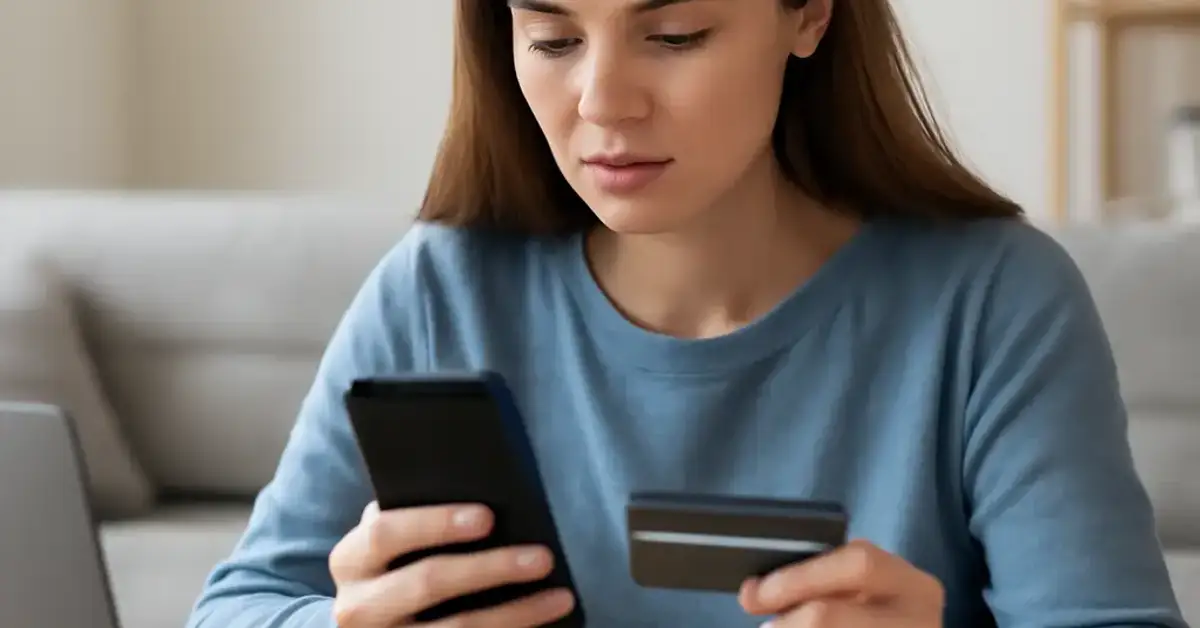
Buy Now Pay Later, commonly abbreviated as BNPL, is a type of alternative financing that lets shoppers purchase items immediately and pay for them in fixed installment payments over time — typically in four equal biweekly installments. Unlike a standard credit card, BNPL often charges no interest if payments are made on time. Providers like Klarna, Afterpay, and Affirm have made BNPL a staple of digital payments at thousands of e-commerce checkout pages.
When you choose BNPL at checkout, you provide minimal information — often just your name, email, and a debit or credit card. The lender runs a soft credit check (which does not affect your credit scores) and approves you within seconds. You pay the first installment immediately, and the remaining three are automatically charged every two weeks. Some BNPL services also offer longer-term plans for larger purchases, functioning similarly to personal loans but with shorter durations.
This model has exploded in popularity because it removes the friction of upfront payment. For young professionals and online shopping enthusiasts, BNPL feels like a low-risk way to manage cash flow. However, the ease of use masks important nuances in consumer psychology and borrowing behavior that can lead to debt management challenges.
How Is Buy Now Pay Later Changing Credit Behavior
Buy Now Pay Later Is Changing Credit Behavior by reshaping how consumers think about debt and payment timing. Historically, credit cards dominated consumer credit trends, encouraging users to carry balances and pay interest. BNPL, by contrast, normalizes short-term, interest-free debt that feels less burdensome. This shift has profound implications for personal finance and financial wellness. For a related guide, see Relationship Between Inflation and Consumer Debt: 7 Smart Ways to Manage Borrowing Costs.
The Shift from Revolving Credit to Installment Debt
One of the most significant changes is that consumers are increasingly favoring installment payments over revolving credit lines. With a credit card, you can pay any amount above the minimum, which often leads to prolonged debt management issues. BNPL forces a fixed repayment schedule, which can help some users avoid spiraling interest. Yet it also creates a habit of taking on multiple small loans simultaneously, a pattern that credit management experts call “loan stacking.”
Psychological Ease and Impulse Buying
The frictionless nature of BNPL lowers the psychological barrier to purchase. When the total cost is broken into small, painless installment payments, shoppers are more susceptible to impulse buying. This consumer psychology effect is well-documented: the pain of paying is delayed, making luxury or non-essential items feel more affordable. Over time, this can warp spending habits and lead to purchases that exceed a person’s cash flow. For a related guide, see The Psychology Behind Credit Card Spending Habits.
Why Are Consumers Choosing BNPL Instead of Credit Cards
Consumers are flocking to BNPL for several concrete reasons. First, the approval process is fast and does not require a high credit scores. For Gen Z and Millennials who may have thin credit files or a distrust of traditional banks, BNPL offers a path to payment flexibility without the baggage of a full credit card. Second, the transparency of fixed payments appeals to budgeting enthusiasts who want predictable debt management.
Another major draw is the absence of compounding interest. A standard credit card charges interest on any unpaid balance after a grace period, often at rates exceeding 20% APR. BNPL, when used as intended, costs nothing extra. This makes it an attractive form of alternative financing for online shopping and e-commerce purchases.
However, this comparison overlooks key consumer protections. Credit cards typically offer fraud liability protection, purchase dispute resolution, and rewards programs. BNPL platforms are catching up but still lack the robust credit management safety nets that traditional cards provide.
How Does BNPL Influence Online Shopping Habits
BNPL has become a powerful driver of online shopping conversion rates. Retailers report that offering BNPL at checkout increases average order value and reduces cart abandonment. For shoppers, the option to pay in installment payments makes higher-ticket items — like electronics, furniture, and fashion — more accessible. This has led to a measurable increase in consumer spending on e-commerce platforms.
Yet the convenience comes with a behavioral cost. When every checkout offers the choice to “pay later,” the decision to buy becomes less deliberate. Consumer psychology research shows that BNPL users are more likely to make impulse purchases and to underestimate their total upcoming payment obligations. This can create a misalignment between personal finance planning and actual borrowing behavior.
What Are the Benefits of Using Buy Now Pay Later Services
When used responsibly, BNPL offers clear advantages. The most obvious is payment flexibility: you can get what you need now and spread the cost over a few weeks without interest. This can be especially helpful for managing cash flow around irregular income or large expenses. For example, a freelancer who needs a new laptop for work can use BNPL to avoid a major cash outlay while waiting for client payments.
BNPL also serves as a tool for budgeting. Because the payment amounts and due dates are fixed, you can plan your financial planning around them. Many users appreciate that BNPL does not revolve like a credit card, which can help curb overspending if you maintain discipline. Additionally, BNPL can act as a stepping stone for building financial literacy, especially for younger consumers who are new to credit management.
What Risks Are Associated with Frequent BNPL Use
The risks of BNPL become apparent when usage turns habitual. Missed payments can result in late fees, and some providers now report missed payments to credit bureaus, potentially damaging credit scores. Moreover, because BNPL loans are small and short-term, consumers can accumulate several simultaneously without realizing the total debt management burden. This is especially dangerous for individuals who already struggle with consumer spending control.
Another hidden risk is that BNPL does not build positive credit history in most cases. Unlike a credit card, which can improve your credit scores when used responsibly, BNPL generally only harms your credit when you fail to pay. This asymmetrical impact means users do not get rewarded for good borrowing behavior, but are penalized for mistakes.
Frequent BNPL use can also distort your perception of your cash flow. When you have multiple active plans, the automatic deductions can add up and leave you without enough money for essentials. This is a classic consumer finance hazard that underscores the need for financial planning and financial literacy.
How Does BNPL Affect Credit Scores and Borrowing History
The relationship between BNPL and credit scores is complex. Most BNPL providers do not perform hard credit inquiries for standard four-payment plans, so applying does not hurt your score. However, if you miss payments, some providers (like Affirm and Afterpay) may report delinquencies to the major credit bureaus. This can lower your score and stay on your credit report for up to seven years.
Meanwhile, BNPL generally does not help you build a positive borrowing behavior record. Because the loans are short-term and often not reported, you do not earn the long-term credit history that a credit card or personal loan would provide. This means that relying solely on BNPL could leave you with a thin credit file when you need to apply for a mortgage or auto loan. For credit management, it is wise to maintain a mix of credit products, including a traditional card used responsibly.
Can Buy Now Pay Later Lead to Overspending
Yes, and this is one of the most significant concerns about Buy Now Pay Later Is Changing Credit Behavior. Research from the Consumer Financial Protection Bureau (CFPB) indicates that BNPL users tend to spend more than they would if they had to pay upfront. The mental accounting of breaking a $200 purchase into four $50 payments makes the total feel smaller, which encourages impulse buying.
This effect is amplified in online shopping environments where BNPL is integrated into the checkout flow. The temptation to add one more item because “I’ll pay for it later” is hard to resist. Over time, this can lead to a pattern of consumer spending that exceeds income, creating a cycle of debt management problems. Financial educators advise that if you find yourself using BNPL for everyday items like groceries or clothing, it is a warning sign that your personal finance habits may need adjustment.
How Can Consumers Use BNPL Responsibly
Responsible borrowing with BNPL starts with a clear understanding of your cash flow. Before committing to any plan, calculate your upcoming expenses and ensure the automatic payments will not overdraw your account. Set reminders or enable notifications so you never miss a due date. This simple budgeting practice can prevent late fees and negative credit reporting.
Limit the number of active BNPL plans you carry at once. Financial planners recommend no more than two or three at a time, depending on your income and other obligations. This keeps debt management manageable and prevents loan stacking. Also, use BNPL only for planned purchases or essential items, not for impulse buying. If you feel tempted to use BNPL for a spontaneous online shopping spree, pause and ask yourself whether you would buy the item if you had to pay the full amount today.
Finally, check whether your BNPL provider reports to credit bureaus. If it does, staying current can protect your credit scores. If it does not, remember that you are not building credit history — so balance BNPL with other credit management tools like a secured credit card or small personal loan. Building financial literacy around these trade-offs empowers you to make smarter purchase decisions.
What Is the Difference Between BNPL and Traditional Credit Cards
The core difference lies in how debt is structured. A credit card offers a revolving line of credit: you can borrow up to a limit, pay any amount above the minimum, and carry a balance with interest. BNPL, by contrast, is a fixed-term loan: you agree to pay a set amount on a set schedule, and if you stay on track, you pay no interest. This makes BNPL more predictable for budgeting but less flexible for large, unexpected expenses.
Credit cards also offer rewards, purchase protection, fraud liability limits, and the ability to build credit scores through consistent use. BNPL offers convenience and avoids interest, but lacks most consumer protections. For payment flexibility, a credit card wins for emergency purchases, while BNPL wins for planned online shopping where you want to avoid interest. Understanding these differences is key to financial planning and choosing the right tool for each situation.
How Do Installment Payment Plans Affect Personal Budgeting
Installment payments can be a double-edged sword for personal finance. On one hand, they allow you to spread costs over time, which helps with cash flow management. On the other hand, if you take on too many instalments, your budget becomes burdened with fixed deductions that leave little room for savings or emergencies. Budgeting enthusiasts recommend tracking all active BNPL plans in a spreadsheet or app to see the total monthly outlay.
A useful rule of thumb is that your total installment payments (including BNPL, personal loans, and credit card minimums) should not exceed 30% of your monthly take-home pay. This keeps debt management healthy and prevents consumer spending from crowding out financial planning goals like retirement or an emergency fund. When you evaluate each BNPL offer, ask yourself: “Does this fit within my budget without sacrificing my financial wellness goals?”
Why Is Financial Literacy Important When Using BNPL Services
Financial literacy is the foundation of using any credit product safely, and BNPL is no exception. Without understanding how credit scores work, how late fees accumulate, and how multiple loans affect cash flow, consumers can quickly fall into a debt trap. Financial educators emphasize that BNPL is a tool, not a solution — it does not fix underlying personal finance issues like low income or poor spending habits. For a related guide, see Why Some Borrowers Struggle Despite Stable Income.
Being financially literate also means knowing when to say no. If you cannot afford the item today, adding a BNPL plan may only delay the problem. True responsible borrowing involves evaluating whether the purchase aligns with your values and long-term financial planning. Courses, apps, and articles on money management can help build the skills needed to navigate BNPL and digital payments safely.
What Trends Are Driving the Growth of Buy Now Pay Later
Several consumer credit trends are fueling BNPL‘s rise. The shift toward digital payments accelerated during the pandemic, as online shopping became the norm. Millennials and Gen Z, who favor digital-first experiences, embraced BNPL as a natural extension of their e-commerce habits. Additionally, economic uncertainty and inflation have made consumers more price-sensitive, and BNPL‘s promise of payment flexibility without interest fits perfectly into that mindset.
Another driver is the expansion of digital wallets that integrate BNPL options. Apple Pay, Google Pay, and PayPal now offer BNPL-like features, making it even easier to choose installment payments at checkout. Retailers also benefit because BNPL increases conversion rates and average order values, creating a positive feedback loop that encourages more merchants to offer the service. As alternative financing becomes more embedded in consumer finance, BNPL is likely to become a permanent fixture in the credit management landscape.
How Can Consumers Avoid Debt While Using BNPL
Avoiding debt while using BNPL requires discipline and financial planning. Start by creating a budgeting plan that accounts for all active BNPL payments. Use a dedicated debit card or a separate account for BNPL deductions to avoid overdrafts. Money management experts also advise setting aside an emergency fund equal to one month of installment payments so you never miss a due date if your income fluctuates.
Another key strategy is to limit BNPL usage to essential or income-generating purchases. For example, buying a work tool or a necessary appliance with BNPL is more justifiable than using it for luxury clothing or dining out. Track your repayment habits by reviewing your BNPL dashboard weekly. If you notice you are consistently using BNPL for impulse buying, consider uninstalling the apps or setting a monthly BNPL spending cap. Responsible borrowing is ultimately about self-awareness and financial literacy.
What Is the Future of Buy Now Pay Later in Consumer Finance
The future of BNPL is likely to involve tighter regulation and deeper integration into mainstream consumer finance. The CFPB has already signaled that it will apply credit card-like rules to BNPL, requiring lenders to provide clearer disclosures, handle disputes, and offer refunds for returned items. This could level the playing field with traditional credit cards and improve credit management protections for users.
We will also likely see BNPL providers begin reporting positive payment history to credit bureaus, which would help consumers build credit scores through responsible use. Partnerships between BNPL platforms and digital wallets will continue to expand, making installment payments a default option at checkout. Financial wellness tools that help users track and manage multiple BNPL plans will also become more common, supporting better debt management and budgeting.
Ultimately, Buy Now Pay Later Is Changing Credit Behavior for the long term. Consumers who embrace financial literacy and responsible borrowing will benefit from the payment flexibility BNPL offers, while those who ignore the risks may find themselves trapped in a cycle of debt. The key is to treat BNPL as a strategic alternative financing option — not a crutch for poor spending habits.
| Factor | BNPL | Credit Card |
|---|---|---|
| Interest | 0% if paid on time | Often 15–25% APR on balances |
| Credit impact | Negative only if missed payments are reported | Builds credit with consistent use |
| Consumer protections | Limited | Strong fraud liability and dispute rights |
| Payment structure | Fixed biweekly or monthly installment payments | Revolving line, flexible payment |
| Best for | Planned, short-term online shopping | Everyday spending, emergencies, rewards |
Useful Resources
For more data on BNPL‘s impact on consumer credit trends, visit the Consumer Financial Protection Bureau’s report on BNPL: CFPB BNPL Market Trends.
To strengthen your financial literacy and budgeting skills, explore the non-profit organization MyMoney.gov: MyMoney.gov Financial Education.
Frequently Asked Questions About Buy Now Pay Later Is Changing Credit Behavior
What is Buy Now Pay Later and how does it work?
BNPL is an alternative financing option that lets you pay for purchases in fixed installment payments, usually four over six weeks. You pay the first installment at checkout, and the remaining three are automatically charged every two weeks, often with no interest.
How is Buy Now Pay Later changing credit behavior?
Buy Now Pay Later Is Changing Credit Behavior by normalizing short-term installment debt, encouraging more frequent online shopping, and shifting consumers away from revolving credit cards toward predictable installment payments.
Why are consumers choosing BNPL instead of credit cards?
Consumers prefer BNPL for its no-interest terms, instant approval, and payment flexibility. It also appeals to those with thin credit scores who may not qualify for traditional cards or who dislike the complexity of credit management.
How does BNPL influence online shopping habits?
BNPL increases online shopping conversion rates and average order values by making larger purchases feel more affordable. However, it can also fuel impulse buying because the pain of paying is deferred through installment payments.
What are the benefits of using Buy Now Pay Later services?
Benefits include interest-free payment flexibility, improved cash flow management, predictable budgeting, and easy access without a hard credit check. It can also support financial planning for planned purchases.
What risks are associated with frequent BNPL use?
Risks include late fees, potential harm to credit scores from missed payments, impulse buying, loan stacking, and a lack of positive credit building. Frequent use can also distort personal finance awareness.
How does BNPL affect credit scores and borrowing history?
Applying for BNPL typically does not affect credit scores, but missed payments may be reported and can lower your score. BNPL generally does not help build positive borrowing behavior history since most providers do not report on-time payments.
Can Buy Now Pay Later lead to overspending?
Yes. Research shows that BNPL encourages consumer spending because splitting a total into smaller installment payments reduces the psychological pain of payment, leading to more impulse buying and larger purchase decisions.
How can consumers use BNPL responsibly?
Use BNPL only for planned purchases, limit the number of active plans, track all payments in a budgeting app, set reminders, and ensure you have enough cash flow to cover automatic deductions. This is the essence of responsible borrowing.
What is the difference between BNPL and traditional credit cards?
Credit cards offer revolving credit, rewards, and strong consumer protections but charge interest on unpaid balances. BNPL offers fixed installment payments, often interest-free, but with fewer protections and no positive credit scores building.
How do installment payment plans affect personal budgeting?
They add fixed deductions to your budget, which can simplify debt management but also strain cash flow if you take on too many. Budgeting enthusiasts should track all active plans to avoid surprises.
Why is financial literacy important when using BNPL services?
Financial literacy helps you understand the true cost of BNPL, avoid late fees, manage debt management, and recognize when BNPL is undermining your financial wellness. It is key to responsible borrowing.
What trends are driving the growth of Buy Now Pay Later ?
Key trends include the rise of digital payments, the growth of e-commerce, economic pressures that make payment flexibility attractive, and integration with digital wallets like Apple Pay and Google Pay.
How can consumers avoid debt while using BNPL ?
Avoid debt by using BNPL only for essential or income-generating purchases, maintaining a budgeting plan, setting a monthly spending cap, and building an emergency fund to cover installment payments during lean periods.
What is the future of Buy Now Pay Later in consumer finance?
The future includes tighter regulation, increased credit bureau reporting for positive payments, deeper integration into digital payments, and more financial wellness tools to help users manage their credit management.
Does BNPL affect your ability to get a mortgage?
Indirectly, yes. If BNPL missed payments appear on your credit report, they can lower your credit scores and hurt mortgage approval. Even if not reported, lenders may ask about all outstanding debt management obligations during underwriting.
Can you use BNPL for everyday purchases like groceries?
Technically yes, but it is ill-advised. Using BNPL for daily essentials can indicate cash flow problems and lead to poor spending habits. Financial educators recommend BNPL only for planned mid-to-large purchases.
How many BNPL plans is too many?
There is no hard rule, but most financial planners suggest no more than two or three active plans at a time. Exceeding that can strain your budget and increase the risk of missed payments and debt management issues.
What should I do if I miss a BNPL payment?
Pay the missed amount as soon as possible to avoid additional late fees. Contact the BNPL provider to see if they offer a grace period. If the provider reports to credit bureaus, a missed payment can harm your credit scores.
Is BNPL safe to use?
BNPL is generally safe if you use it for planned purchases, stay on schedule, and avoid overextending yourself. However, it lacks the robust fraud protections of credit cards. Always monitor your accounts and practice responsible borrowing.