


Creative Ways to Invest Your Own Emergency Fund Key Takeaways
An emergency fund is a cash reserve meant to cover 3-6 months of living expenses during unexpected job loss, medical bills, or urgent home repairs.
- Top emergency fund investment ideas include high yield savings accounts , money market funds, short term time deposits , treasury bills, digital bank savings, and conservative bond ETFs.
- Always keep at least 1-2 months of expenses in instantly accessible cash; invest the rest using low risk emergency fund strategies that allow penalty-free withdrawals.
- Filipino workers and OFWs can use digital banks, government securities, and coop share capital to earn safe returns while preserving liquidity.
What Are Creative Ways to Invest Your Own Emergency Fund?
An emergency fund is a cash reserve meant to cover 3-6 months of living expenses during unexpected job loss, medical bills, or urgent home repairs. Traditionally, people keep it in a regular savings account earning near-zero interest. But with inflation eroding the value of idle cash, growing emergency savings safely has become a priority for smart money managers. For a related guide, see 17 Clever Money Moves To Strengthen Finances.
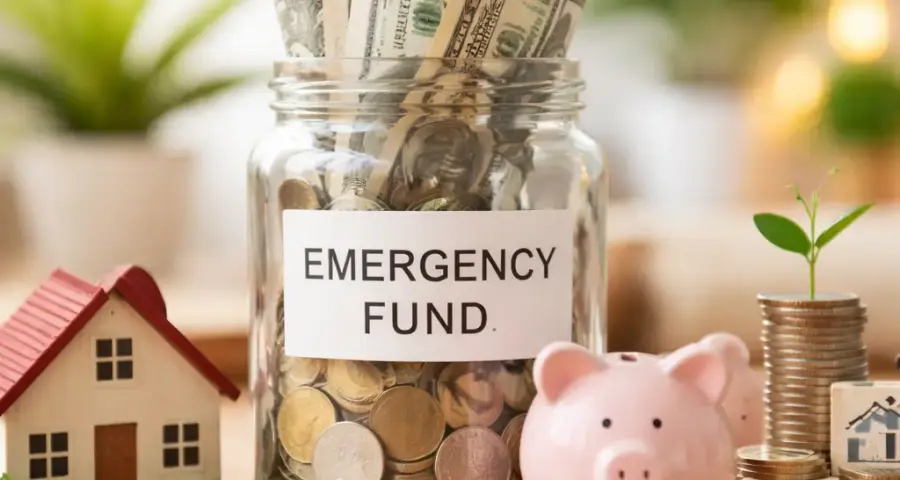
The creative approach means splitting your emergency fund into tiers: a small portion stays fully liquid, while the rest goes into liquid investment options that earn more than a standard bank account. The goal is not aggressive growth but secure wealth preservation with enough yield to keep pace with inflation. This article explores eight practical methods that balance liquidity vs investment returns for Filipino beginners and young professionals.
1. High Yield Savings Accounts (HYSAs)

How It Balances Liquidity and Growth
High yield savings accounts offered by digital banks and online lenders provide interest rates 5-10 times higher than traditional banks. In the Philippines, digital banks like Tonik, Maya Bank, and CIMB offer 4% to 6% per annum on savings. These accounts are fully liquid — you can withdraw anytime via app or ATM without penalties.

Smart emergency fund management starts here because you earn safe passive income savings while keeping your cash accessible. Many HYSAs are insured by PDIC up to ₱500,000, so risk is minimal. Ideal for the first 1-2 months of your emergency fund — the portion you might need immediately.
2. Money Market Fund Investments
Low Risk with Better Returns Than Savings Accounts
Money market mutual funds invest in short term government securities, corporate commercial paper, and bank deposits. They are considered short term low risk investments with net returns typically ranging from 3% to 5% annually. You can invest with as little as ₱1,000 through local fund managers like BPI, BDO, Sun Life, or ATRAM.
Unlike time deposits, money market funds allow you to redeem your investment within 1-3 business days. This makes them a good emergency cash growth method for the middle tier (months 3-4 of your fund). While not guaranteed by PDIC, they are regulated by the SEC and historically maintain stable net asset values.
3. Short Term Time Deposits (STTDs)
Locking in Higher Rates for a Few Months
Short term time deposits with terms of 30, 60, or 90 days offer higher interest than regular savings — often 5% to 7% for digital bank time deposits. The trade-off is that you cannot withdraw before maturity without losing the interest. However, you can ladder them: open multiple time deposits maturing at different dates so you always have cash coming available.
This strategy supports financial preparedness planning because you earn guaranteed returns while ensuring regular access to a portion of your fund. STTDs are ideal for the third tier (months 5-6) where you are unlikely to need the money urgently but want better yield.
4. Treasury Bills (T-Bills) Low Risk Returns
Government-Backed Security for Conservative Investors
Treasury bills are short term government securities with maturities of 91, 182, or 364 days. They are considered one of the safest investments because they are backed by the Philippine government. Current yields hover around 5% to 6%, and you can buy them through the Bureau of the Treasury or banks like Landbank and DBP.
T-bills offer low volatility investment choices — the price barely moves, and you receive your principal plus interest at maturity. While not instantly liquid (you must wait until maturity), you can sell them on the secondary market if absolutely necessary. This is a strong option for secure financial backup plan strategies.
5. Digital Bank Savings Interest Accounts
Modern Banking with Competitive Rates
Digital banks have revolutionized emergency cash reserve planning in the Philippines. Tonik, Maya Savings, Uno Bank, and GoTyme offer savings accounts earning 4% to 6% per annum with no lock-in period. Many also provide time deposit options for higher returns. The apps let you track and manage your fund instantly.
These accounts are PDIC-insured up to ₱500,000 and offer free InstaPay transfers to other banks. For OFWs and young professionals who prefer app-based money management, digital bank savings are the most convenient high liquidity investment strategies available today.
6. Short Term Bond Funds and ETFs
Conservative Portfolio Diversification
Short term bond funds invest in government and corporate bonds with maturities under three years. Exchange traded funds (ETFs) like the Philippine Bond ETF (PSE: BOND) offer diversified exposure with low fees. These are conservative investment portfolio options that yield 4% to 6% while keeping price volatility low.
Redemption takes 2-3 business days, making them suitable for the middle tier of your emergency fund. Beginners can start investing via online brokers like COL Financial, First Metro Sec, or BPI Trade. This method supports inflation protected savings strategy because bond yields often adjust with interest rates.
7. Coop Share Capital and Savings Deposits
Community-Based Safe Growth
Many cooperatives in the Philippines offer share capital accounts that earn annual dividends of 5% to 10%. Members can withdraw their share capital with proper notice (usually 30 days). Cooperatives like CDA-registered ones are regulated and often insured by the Cooperative Insurance System.
This is a stable income generating assets approach for families and OFW groups who want to support community enterprises while earning decent returns. Because withdrawal takes some time, use coop capital only for the least liquid portion of your emergency fund (months 5-6).
8. Cash Management Accounts (CMAs)
Hybrid Accounts for Maximum Flexibility
Cash management accounts combine checking, savings, and investment features. In the Philippines, platforms like Maya Bank’s savings account or GCash’s GSave allow you to earn interest while keeping funds available for spending. Some CMAs automatically sweep excess cash into higher yielding money market funds. For a related guide, see 12 Ways to Make Extra Income Online in 2026.
These accounts provide accessible cash flow investments with no lock-in and instant access via debit card or app transfer. They are perfect for the base layer of your emergency fund (first 1-2 months) that must be available 24/7. CMAs simplify rainy day fund management by automating the split between liquidity and growth.
| Investment Option | Typical Yield | Liquidity | Risk Level | Ideal Tier |
|---|---|---|---|---|
| High Yield Savings Account | 4%-6% | Immediate | Very Low | Months 1-2 |
| Money Market Fund | 3%-5% | 1-3 days | Low | Months 3-4 |
| Short Term Time Deposit | 5%-7% | Locked until maturity | Low | Months 5-6 |
| Treasury Bills | 5%-6% | Up to 1 year | Very Low | Months 5-6 |
| Digital Bank Savings | 4%-6% | Immediate | Very Low | Months 1-3 |
| Short Term Bond Fund | 4%-6% | 2-3 days | Low | Months 3-5 |
| Coop Share Capital | 5%-10% | ~30 days | Low | Months 5-6 |
| Cash Management Account | 3%-5% | Immediate | Very Low | Months 1-2 |
How to Balance Liquidity and Investment Growth in Your Emergency Fund
The key is to split your emergency fund into three tiers. Tier 1 (months 1-2) stays in high yield savings or cash management accounts — instantly accessible. Tier 2 (months 3-4) goes into money market funds or short term bond funds — accessible within days. Tier 3 (months 5-6) goes into time deposits or treasury bills — higher yield but locked for a few months. This approach preserves high liquidity investment strategies while maximizing returns for money you likely won’t touch.
Common Mistakes to Avoid with Emergency Funds
Investing the Entire Fund in Illiquid Assets
Putting all your emergency savings into a 5-year time deposit or a real estate investment means you cannot access cash quickly during a crisis. Always keep enough in liquid accounts to cover at least two months of expenses.
Chasing High Returns with Risky Investments
An emergency fund is not for gambling. Avoid stocks, volatile cryptocurrencies, or high yield corporate bonds with poor credit ratings. Stick to low risk emergency fund strategies that prioritize safety over returns.
Ignoring Inflation
Leaving your entire fund in a 0.1% savings account guarantees loss of purchasing power. Use growing emergency savings safely methods that at least match inflation.
Useful Resources
- Bangko Sentral ng Pilipinas (BSP) — Official information on savings accounts, PDIC insurance, and digital banking regulations in the Philippines.
- Investopedia: Emergency Fund Guide — Comprehensive article covering emergency fund basics, how much to save, and best investment options globally.
Take Action on Your Emergency Fund Today
Your emergency fund should be a source of security, not stress. By using the Creative Ways to Invest Your Own Emergency Fund outlined here, you can earn safe returns while keeping your cash accessible for real emergencies. Start by opening a high yield savings account with a trusted digital bank, then gradually add one or two low risk investments like a money market fund or short term time deposit. Remember: never risk money you might need tomorrow for returns you don’t need today. Build your secure financial backup plan one tier at a time. For a related guide, see 9 Passive Income Ideas You Can Invest In Very Soon.
Ready to grow your emergency savings safely? Choose one method from this list and set it up this week. Your future self will thank you.
Frequently Asked Questions About Creative Ways to Invest Your Own Emergency Fund
What are the 8 creative ways to invest your own emergency fund ?
The 8 creative ways are: high yield savings accounts, money market funds, short term time deposits, treasury bills, digital bank savings, short term bond funds, coop share capital, and cash management accounts. Each balances liquidity and safety with better returns than a regular savings account.
Should you invest your emergency fund or keep it in cash?
Keep 1-2 months of expenses in instantly accessible cash (high yield savings or digital bank account). Invest the remaining 2-4 months in low risk, liquid instruments like money market funds or short term time deposits to earn better returns while maintaining access.
What are the safest investments for emergency savings?
The safest investments include PDIC-insured high yield savings accounts, treasury bills backed by the government, money market funds with stable NAV, and digital bank savings accounts. These options preserve capital and offer quick withdrawals.
How can I grow my emergency fund without high risk?
Use a tiered approach: keep the first portion in a high yield savings account for instant access, then invest the rest in money market funds, short term bond funds, or time deposits with staggered maturities. This earns 4-7% annually with very low risk.
Where should I put my emergency fund for better returns?
Top choices include digital banks like Tonik and Maya Savings offering 4-6% interest, money market funds offering 3-5%, and treasury bills with 5-6% annualized returns. Choose based on how much liquidity you need.
Can emergency funds earn passive income?
Yes. High yield savings accounts, money market funds, and bond funds generate interest that compounds over time. Even a ₱100,000 emergency fund earning 5% annually gives you ₱5,000 in passive income — small but valuable for financial security.
What are low risk investment options for emergency money?
Low risk options include high yield savings accounts, money market funds, short term time deposits, treasury bills, digital bank savings, cash management accounts, and short term government bond funds. All are rated low volatility and preserve principal.
How much emergency savings should I invest?
Invest only the portion beyond your immediate 1-2 month needs. For a total 6-month fund, keep 2 months in instant access accounts and invest the remaining 4 months in low risk, liquid instruments. Never invest the portion you may need within 30 days.
What mistakes should I avoid with emergency funds?
Avoid investing in volatile assets like stocks or crypto, locking all funds in long term time deposits, ignoring inflation, and failing to maintain a portion in instant access accounts. Also avoid withdrawing the fund for non-emergency expenses.
How do I balance liquidity and investment growth?
Use a three-tier system: Tier 1 (months 1-2) in high yield savings, Tier 2 (months 3-4) in money market funds or bond funds, Tier 3 (months 5-6) in time deposits or treasury bills. This ensures cash is available when needed while earning better returns overall.
Is it safe to invest emergency fund in digital banks?
Yes, as long as the digital bank is regulated by BSP and accounts are PDIC-insured up to ₱500,000. Popular safe options include Tonik, Maya Savings, CIMB, and GoTyme. They offer higher interest rates than traditional banks with similar safety.
Can I use treasury bills for my emergency fund?
Yes, but only for the portion you won’t need for at least 3-12 months. T-bills are very safe and yield 5-6%, but you cannot withdraw before maturity without selling on the secondary market, which may take time.
What is the best emergency fund strategy for OFWs?
OFWs should keep 2 months of expenses in a digital bank savings account with free international transfers, then invest 3-4 months in a money market fund or short term time deposit with a Philippine bank. This covers both local and overseas emergencies.
How do money market funds work for emergency savings?
Money market funds pool your money with other investors to buy short term government and corporate debt. They maintain a stable net asset value (usually ₱1 per share) and pay dividends monthly or quarterly. You can redeem your shares within 1-3 business days.
Are coop share capital investments safe for emergency money?
Coop share capital can be safe if the cooperative is registered with the Cooperative Development Authority (CDA) and has a good track record of dividends. However, withdrawal may require 30-day notice, so only use coop capital for the least liquid tier.
What is an inflation protected savings strategy ?
An inflation protected strategy invests emergency savings in instruments that earn at least the inflation rate. In the Philippines, this means choosing high yield savings, treasury bills, or bond funds that yield 5-6% annually — above the average inflation of 3-4%.
Should I invest my entire 6-month emergency fund?
No. Always keep at least 1-2 months of expenses in instantly accessible cash. Invest only what you are confident you won’t need within 30 days. A total fund of ₱300,000 could have ₱100,000 in savings and ₱200,000 in low risk investments.
How do I start investing my emergency fund as a beginner?
Start by opening a high yield savings account at a digital bank. Once you have 2 months saved there, research money market funds offered by banks or mutual fund companies like BPI or Sun Life. Use online platforms like COL Financial to invest small amounts.
What are the best low volatility investment choices for Filipinos?
The best low volatility choices include PDIC-insured digital bank savings accounts, government treasury bills, money market funds, short term bond funds, and cash management accounts. These preserve capital while earning 4-7% annually.
Can I earn 10% returns on my emergency fund safely?
Earning 10% safely is unlikely for an emergency fund. Coop share capital may yield up to 10%, but it requires a 30-day withdrawal notice. Higher returns usually involve higher risk. Stick to 4-7% for true safety and liquidity.