


Psychology Behind Credit Card Key Takeaways
Understanding the psychology behind credit card spending habits reveals why plastic often feels less painful than cash.
- The psychology behind credit card use shows that cashless payments weaken the pain of paying, leading to higher spending.
- Reward programs and emotional states act as powerful spending triggers , often overriding rational financial discipline .
- Simple budgeting strategies and self control techniques can reshape money mindset and promote responsible credit card use .
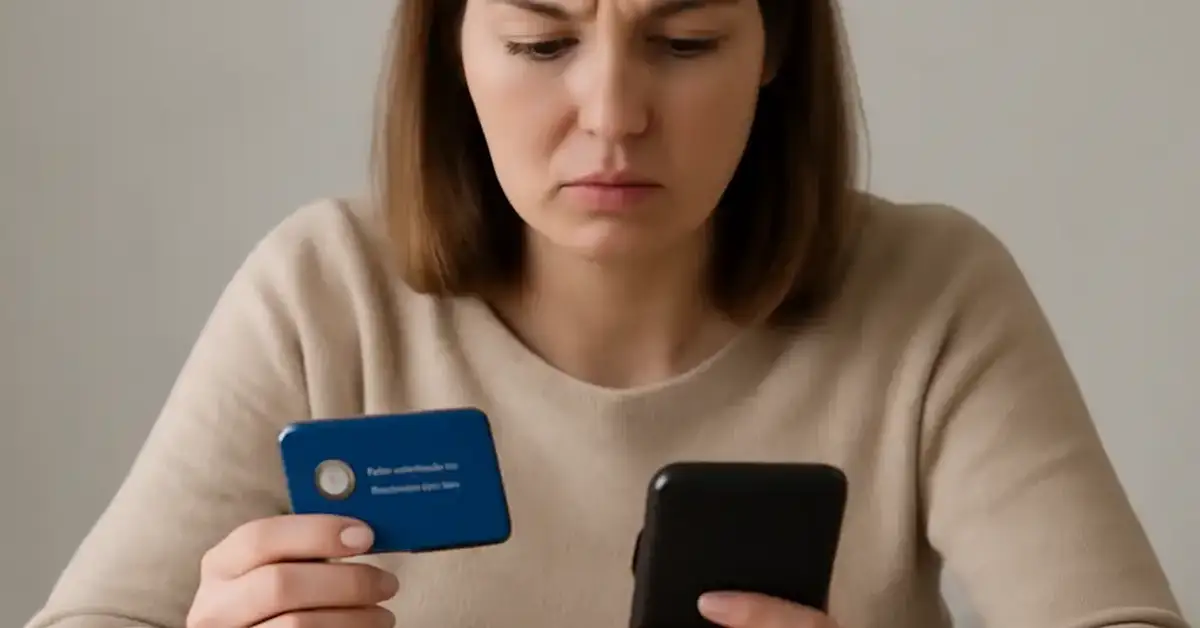
How the Psychology Behind Credit Card Shapes Your Wallet
Every swipe or tap of a credit card triggers a chain of mental events. Unlike handing over cash — which activates the brain’s pain centers — credit cards separate the act of buying from the act of paying. This phenomenon, known as the delayed payment effect, is a cornerstone of behavioral finance. When you use a card, the immediate discomfort of losing money is dulled, making it easier to say yes to purchases you might otherwise resist. For a related guide, see How Debt Consolidation Works and Who Should Consider It.
Researchers have found that people are willing to pay up to 100% more when using a credit card compared to cash. This isn’t a failure of willpower; it’s a predictable result of our brain’s reward system. The credit card psychology involved explains why even financially savvy individuals occasionally rationalize a splurge. Understanding this wiring is the first step toward better money management.
Why Cashless Payments Change Behaviour
Cashless payments — whether via chip, contactless, or digital wallet — reduce the sensory feedback of spending. Cash requires you to count bills, hand them over, and watch your wallet thin. Cards require only a signature or a glance. This lack of friction encourages faster purchase decisions and larger basket sizes. Studies in consumer psychology show that the mere presence of a logo on a card can prime feelings of status and reward, further driving spending.
The Main Spending Triggers That Drive Credit Card Use
To build financial habits that stick, you must identify what pushes you to spend. Several psychological factors converge when you reach for plastic. Below are the most common triggers and how they operate.
Impulse Buying and the Instant Gratification Trap
Impulse buying is one of the most visible outcomes of credit card use. The immediate dopamine hit of acquiring something new overrides the future pain of the bill. Retailers design checkout flows to exploit this — one-click purchases, flash sales, and limited-time offers all target the impulsive part of your brain. Budgeting helps here by introducing a deliberate pause, but without awareness, even the best personal budgeting plan can be undermined.
Emotional Spending as a Coping Mechanism
Emotional spending occurs when you use purchases to manage feelings — boredom, sadness, stress, or even excitement. Credit cards make this easier because they remove the immediate check of cash availability. A bad day at work can lead to an online shopping spree that feels therapeutic but leaves a debt management challenge later. Recognizing this pattern is essential for financial wellness. Journaling your mood before each purchase can reveal whether you’re buying out of need or emotion. For a related guide, see Why Responsible Borrowing Matters More Than Credit Limits.
The Pull of Reward Programs
Reward programs — cash back, points, miles — are designed to hijack the brain’s reward circuitry. Every purchase becomes a mini-game: spend more to earn more. While rewards can be beneficial if used strategically, they often encourage unnecessary spending. Behavioral economists call this the “points illusion” — you focus on the bonus and ignore the cost. The best responsible borrowing strategy is to treat rewards as a bonus, not a reason to spend.
5 Proven Ways to Avoid Overspending and Build Financial Discipline
Armed with an understanding of credit card psychology, you can implement strategies that respect your brain’s tendencies while steering them toward healthier outcomes.
1. Set a Personal Budget That Includes Credit Limits
Effective personal budgeting means assigning every dollar of your credit limit a purpose before you spend. Use the envelope system — digitally or physically — to cap categories like dining, entertainment, and clothing. When the envelope is empty, stop. This approach turns abstract limits into concrete rules, reinforcing financial discipline.
2. Use the 24-Hour Rule for Non-Essential Purchases
Before any discretionary purchase over a set amount, wait 24 hours. This simple delay disrupts the impulse buying loop. During the waiting period, ask yourself: Do I need this? Will I still want it tomorrow? Many times, the urge fades, saving you both money and regret.
3. Track Every Transaction to Build Awareness
Money management begins with awareness. Use a spreadsheet, app, or even a notebook to log each credit card purchase within 24 hours. Over a month, you’ll see patterns — the daily coffee, the unplanned Amazon order. This visibility builds self control because you can’t change what you don’t see.
4. Automate Payments and Set Low Credit Utilization Targets
Credit utilization — the percentage of your limit you use — directly affects your credit scores and long-term financial wellness. Keep utilization below 30%, ideally under 10%. Automate at least the minimum payment on every card to avoid late fees and interest. Better yet, set up autopay for the full statement balance to avoid debt management pitfalls.
5. Reframe Your Money Mindset Around Value
Shift from “How much can I afford?” to “What value does this purchase bring?” This mental reframing changes the entire decision process. Instead of focusing on price, you evaluate utility, longevity, and joy. Over time, this cultivates financial literacy and responsible credit card use as habits, not chores.
Why Understanding Behavioral Finance Matters for Everyday Decisions
Behavioral finance merges psychology with economics to explain why we make irrational money choices. For credit card users, this field offers practical insights. For example, the “endowment effect” makes us value items more once we own them, justifying purchases long after they’re made. The “sunk cost fallacy” encourages us to keep using a card because we already paid the annual fee. Recognizing these biases helps you question your own purchase decisions and build healthier financial habits.
By studying consumer spending behavior, researchers have also found that people who check their account balances daily are far less likely to carry revolving debt. Small daily actions — like reviewing transactions — compound into significant budgeting strategies over time.
Useful Resources
For deeper dives into credit card psychology and behavioral strategies, check these credible sources:
- Psychology Today – Consumer Behavior – Overview of how emotions and cognitive biases influence buying.
- NerdWallet – The Psychology of Credit Cards – Practical advice on reward traps and spending triggers.
Frequently Asked Questions About Psychology Behind Credit Card
What is the psychology behind credit card spending habits?
The psychology behind credit card spending habits involves several cognitive biases, including the delayed payment effect, which reduces the pain of paying, and the reward system hijack from points and cashback. These factors encourage higher spending and impulse buying.
Why do people spend more when using credit cards?
People spend more because credit cards separate the purchase from the payment, dulling the immediate discomfort of spending. This delayed payment effect makes larger purchases feel less costly in the moment.
How do credit cards influence consumer purchasing behavior?
Credit cards shift consumer spending behavior by making transactions quick and painless. They also trigger mental accounting where future payments feel abstract, leading to more frequent and larger purchase decisions.
What psychological factors contribute to impulse buying with credit cards?
Key factors include instant gratification seeking, the dopamine release from a new purchase, and reduced friction at checkout. Impulse buying is amplified by limited-time offers and the cashless payments environment.
How do reward programs affect spending decisions ?
Reward programs create a points illusion where consumers focus on earning bonuses rather than the actual cost of goods. This can increase overall spending by 20–40% among heavy users.
Why is it easier to overspend with credit cards than cash?
Cash involves physical counting and loss, which activates pain centers in the brain. With credit cards, the payment is deferred, so the delayed payment effect reduces the immediate sense of loss, making overspending more likely.
How can consumers build healthier credit card spending habits ?
Healthy habits include setting a personal budgeting limit for each card, using the 24-hour rule for non-essentials, tracking every transaction, and automating full statement payments to avoid interest.
What role does emotional spending play in credit card debt?
Emotional spending is a major driver of credit card debt because purchases are used to regulate mood rather than meet a genuine need. This pattern can lead to chronic overspending and high balances.
How does financial literacy improve responsible credit card use ?
Financial literacy helps consumers understand interest rates, credit utilization, and the long-term impact of minimum payments. Educated users are more likely to pay off balances in full and avoid debt management trouble.
What strategies help reduce unnecessary credit card purchases?
Strategies include unsubscribing from retail emails, using cash for discretionary categories, setting a spending freeze day each week, and reviewing monthly statements to identify spending triggers.
How does credit utilization affect long term financial health?
High credit utilization — above 30% of your limit — can lower credit scores, increase future borrowing costs, and signal risk to lenders. Keeping utilization low supports financial wellness.
What common spending triggers lead to higher credit card balances?
Common triggers include social pressure (keeping up with peers), emotional lows, flash sales, dining out, and travel. Recognizing these spending triggers is the first step in managing them.
How can budgeting help control credit card spending?
Budgeting provides a clear framework for how much can be spent in each category. It creates accountability and makes it easier to resist impulse purchases because the limit is predefined.
Why is understanding behavioral finance important for managing money?
Behavioral finance explains why we make irrational choices — like overspending on cards despite knowing the risks. Understanding these biases helps you design systems that work with your brain, not against it.
What habits support responsible credit card use and long term financial stability?
Habits include paying the full balance each month, staying below 30% credit utilization, reviewing transactions weekly, avoiding cash advances, and aligning spending with a money mindset focused on value.
How does the delayed payment effect influence spending?
The delayed payment effect reduces the psychological pain of paying because the bill arrives weeks later. This separation encourages larger and more frequent purchase decisions compared to cash.
Can credit card rewards ever be worth it?
Yes, if you pay your balance in full every month and do not increase spending to chase points. Reward programs are beneficial when treated as a bonus for normal spending, not a reason to spend more.
How do credit card companies use psychology to encourage spending?
They use tactics like personalized offers, limited-time bonuses, minimum payment prompts, and reward programs that gamify spending. These design elements tap into consumer psychology to drive volume.
What is the best way to break the cycle of emotional spending ?
Replace the spending urge with a non-consumption habit such as walking, journaling, or calling a friend. Identifying emotional spending triggers and creating a pause between feeling and buying is key.
How can parents teach children about credit card psychology ?
Use real-life examples like comparing cash vs. card scenarios, discuss advertising tactics, and give kids a prepaid card with a set limit to practice personal budgeting while young.