


Real Stories of OFWs Who Lost Jobs Abroad Key Takeaways
The most common question from those hearing these real stories of OFWs who lost jobs abroad is: how do the families cope?
- Hearing real stories of OFWs who lost jobs abroad exposes the hidden risks behind every overseas contract.
- Understanding OFW job loss stories helps future workers identify red flags and prepare emergency plans.
- Learning from OFW survival stories empowers terminated OFWs to rebuild their careers with renewed strength.
What Causes OFWs to Lose Jobs Abroad? Common Triggers Behind OFW Job Loss Stories
Maria left for Dubai in 2019 with a promising hotel management contract. Eight months later, the pandemic hit. The hotel shut down, and she became one of millions of jobless OFWs abroad. Her story is heartbreaking, but it is far from unique. Across regions and industries, overseas employment problems strike without warning.
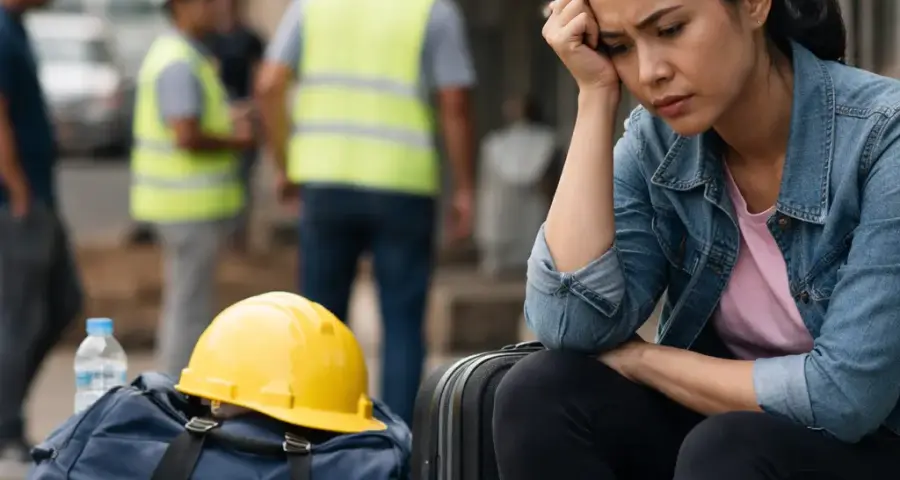
One major cause is overseas employer issues. Some companies in the Middle East or Asia terminate workers without cause to avoid paying end-of-service benefits. Others close operations suddenly due to economic downturns. In Maria’s case, the entire tourism sector collapsed. She joined the ranks of unemployed OFWs abroad with no severance and no clear path home. For a related guide, see Hidden Fees in OFW Remittances: What Banks Don’t Tell You.
Overseas contract disputes also feature heavily in Filipino migrant worker stories. A common scenario: a worker arrives abroad only to find the job description completely different from what was promised. Wages may be lower, hours longer, and living conditions substandard. When workers complain, they face job termination abroad without compensation.
Employer abuse abroad remains a dark reality. Some OFWs endure verbal harassment, withheld salaries, or even physical harm. In extreme cases, workers are forced to resign or abscond after reporting mistreatment. These failed overseas careers leave deep emotional scars and financial ruin.
The Domino Effect: How OFW Layoffs Trigger a Crisis
One OFW layoff seldom affects only one person. When a migrant worker unemployment happens, the entire extended family back home feels the shock. Remittances stop. Mortgages go unpaid. Children’s school fees become impossible. The overseas worker struggles multiply into a family-wide crisis.

Take the story of James, a construction supervisor in Saudi Arabia. When his company lost a major contract, he was one of 200 workers suddenly terminated. He describes the chaos: “They gave us 24 hours to leave the company accommodation. No tickets, no final pay. We had to borrow money just to eat.” His OFW family struggles became a daily test of survival for months after he returned.
How Do Layoffs Affect OFW Families? The Emotional and Financial Toll
The most common question from those hearing these real stories of OFWs who lost jobs abroad is: how do the families cope? The answer is never simple. OFW financial struggles begin immediately. Without the monthly salary, debts pile up. Credit cards max out. Loan sharks circle. Many families lose their savings or even their homes.

But the financial part is only half the story. The emotional impact of overseas work termination can be crushing. Jean, a domestic worker in Hong Kong, was terminated unexpectedly after her employer accused her of stealing—a false claim. “I felt worthless,” she recalls. “I had sacrificed everything for that job. To come home in shame was unbearable.” Her overseas job challenges left her battling depression for two years.
Children of returning OFWs also suffer. They may have grown distant during years of separation. Rebuilding those bonds while dealing with unemployment creates a painful dynamic. Many families hide the truth from neighbors to preserve dignity, which only deepens the isolation.
Which Countries Have High OFW Unemployment Cases? A Closer Look at Risk Destinations
Not all overseas destinations carry the same risk. Data from the Philippine Overseas Employment Administration (POEA) and migrant worker support organizations show that certain countries report higher rates of OFW employment crisis incidents.
| Country / Region | Common OFW Job Loss Triggers | Risk Level |
|---|---|---|
| Saudi Arabia | Oil price crashes, overseas employer issues, contract disputes | High |
| United Arab Emirates | Real estate downturns, tourism collapse, employer abuse abroad | High |
| Kuwait | Sudden deportations, visa cancellations, overseas employment problems | Very High |
| Hong Kong | Employer contract termination, domestic worker vulnerability | Moderate |
| Singapore | Economic sector slowdowns, work permit expiry without renewal | Moderate |
| Japan | Technical intern program disputes, job termination abroad with little recourse | Moderate to High |
| Taiwan | Factory closures, labor broker issues, overseas contract disputes | Moderate |
Migrant worker layoffs in these countries often share patterns: weak labor protections, limited worker mobility, and heavy reliance on recruitment agencies with questionable ethics. Overseas labor problems are systemic, not just personal.
What Financial Problems Happen After Losing Overseas Work? A Survival Reality Check
When a terminated OFW stops earning, the financial pain is immediate and brutal. Most OFWs leave with loans to pay placement fees. These debts do not disappear when the job does. OFW financial struggles include the weight of those loans, plus everyday living costs.
Without OFW emergency funds, many rely on high-interest lenders or credit card cash advances. One worker from the Philippines, Danny, lost his engineering job in Qatar in 2023. He owed 300,000 pesos in placement fees. “I used my credit card to pay for my flight home,” he says. “Then I used another card for rent back home. The interest killed me.”
OFW unemployment assistance exists through programs like the Overseas Workers Welfare Administration (OWWA), but accessing it is not always straightforward. Many returning overseas workers report long delays, paperwork requirements, and even corruption. Overseas work uncertainty means that even workers with insurance may wait months for payouts.
How Do Terminated OFWs Return Home Safely? Navigating Repatriation
One of the hardest chapters in real stories of OFWs who lost jobs abroad is the journey home. Jobless OFWs abroad often lack the money for a ticket. Some are stranded in airport lounges for days. Others face detention by immigration authorities who view them as overstayers.
The Philippine government’s repatriation program, through the Department of Foreign Affairs (DFA) and OWWA, can arrange emergency flights. However, job termination abroad does not always qualify as an emergency. Workers must prove they are destitute or at risk. Many terminated OFWs end up borrowing from friends or even sleeping at shelters while waiting for government assistance.
A safer approach is to have a personal repatriation fund. Even a small buffer—PHP 15,000 to 20,000—can cover an emergency ticket. Overseas job risks require every OFW to prepare for the worst, even while hoping for the best.
What Government Support Exists for Unemployed OFWs? Programs and Reintegration
The Philippine government offers several programs for returning OFWs and unemployed OFWs abroad. The DOLE Integrated Livelihood Program (DILP) provides seed capital for small businesses. OWWA’s Reintegration Program offers loans, skills training, and counseling. The National Reintegration Center for OFWs (NRCO) runs livelihood workshops and job placement assistance for OFW reintegration programs.
But these programs are only effective if workers know about them. Many terminated OFWs return without ever hearing of the financial literacy seminars or emergency loans available. Migrant worker support networks, such as the Blas F. Ople Policy Center, fill the gap by offering legal aid, shelter, and advocacy for overseas employment problems.
Rico’s story is instructive. After losing his job in Bahrain due to overseas employer issues, he returned to Batangas with nothing. Through the NRCO, he accessed a PHP 50,000 loan to start a small sari-sari store. “I felt like a failure at first,” he admits. “But the store grew. Now I employ two people. That loan saved me.”
How Do OFWs Rebuild Careers After Job Loss? Inspiring Comebacks and Strategies
OFW career recovery is possible, but it requires intentional effort. Some workers transition to new industries. After her overseas work termination in Dubai, Maria enrolled in a TESDA vocational course in bread and pastry production. She now runs a small baking business and supplies local cafes. “I never thought I would love a job more than my hotel job,” she says. “But this is mine. No one can take it away.”
Others use their overseas experience to land better positions locally. Philippine companies value workers with international exposure. Rebuilding after unemployment often means leveraging that experience in new ways—consulting, training, or management roles that capitalize on skills gained abroad.
OFW survival stories regularly include a theme of resilience. Many workers start online freelancing. The same skills that made them valuable overseas—customer service, technical expertise, language fluency—are marketable on platforms like Upwork or OnlineJobs.ph. OFW career recovery does not have to mean less income; it can mean better income with more freedom.
How Can OFWs Prepare for Unexpected Job Loss? Practical Steps for Every Worker
Overseas work uncertainty means that every OFW should have a contingency plan. The first step is building an OFW emergency fund equivalent to three months of living expenses and a return ticket. Keep this money in a separate account that only you can access.
Second, document everything. Copies of your contract, passport, visa, and payslips should be stored digitally and with a trusted family member. In cases of overseas contract disputes or employer abuse abroad, documentation is your strongest weapon.
Third, maintain a professional network. Stay connected with former colleagues and industry contacts. When OFW layoffs happen, referrals from trusted contacts often open doors faster than applying cold.
Finally, never stop learning. Upskilling through online courses makes you less vulnerable to job termination abroad. Workers with rare or high-demand skills are harder to replace and more likely to receive fair treatment.
What Lessons Can OFWs Learn From Losing Jobs Abroad? 7 Hard Truths
- No job is permanent. Treat every overseas contract as if it could end tomorrow. Plan for the worst while working for the best.
- Your dignity is not tied to your paycheck. Many OFW survival stories begin with a painful ego check. Losing a job does not define your worth.
- Family can be a source of strength, not just a financial burden. Lean on them emotionally. Hiding your struggles only magnifies them.
- Government programs exist but they are not automatic. Research OFW unemployment assistance before you need it. Visit the OWWA website or your local DOLE office.
- Employers who abuse workers often target the isolated. Join an OFW community in your host country. Migrant worker support groups can intervene before a problem escalates.
- Returning home is not failure. Many returning overseas workers find that the skills and discipline they gained abroad make them successful entrepreneurs back home.
- Rebuilding after unemployment is a process, not an event. Give yourself time to grieve, then time to act.
Why Do Some Employers Suddenly Terminate OFWs? Unpacking Employer Abuse Abroad
Overseas employer issues often stem from power imbalances. In many host countries, workers are on temporary visas tied to a single employer. Quitting or complaining means losing your residency and your right to work. Some employers exploit this vulnerability by demanding extra hours, cutting pay, or terminating workers without cause.
Employer abuse abroad takes many forms: non-payment of wages, confiscation of passports, forced labor conditions, and even physical violence. When workers try to assert their rights, they face job termination abroad and, in some cases, deportation.
The story of Lito, an electrician in Kuwait, illustrates this. He reported a safety violation to the labor ministry. His employer retaliated by cancelling his visa and filing a false absconding case. Lito spent two weeks in detention before the Philippine embassy intervened. “I learned that you cannot always trust the system,” he says. “But you can trust your country’s willingness to help.”
What Emotional Struggles Do Unemployed OFWs Face? The Hidden Wounds
Beyond the financial devastation, unemployed OFWs abroad and those who return home often battle depression, anxiety, and shame. The stigma of failure in Filipino culture makes it hard to ask for help. Many terminated OFWs withdraw from friends and family, sinking deeper into despair.
Psychologist Dr. Grace S. de Castro, who works with returning overseas workers, notes that the grief of job loss is compounded by the grief of lost dreams. “Many OFWs sacrificed years with their children, their spouses,” she explains. “When the job disappears, that sacrifice feels wasted. It takes time to reframe the experience.”
Support groups, both online and in-person, provide a lifeline. Migrant worker support organizations like Atikha Overseas Workers and Communities Initiative offer free counseling and peer support. Mental health is as important as financial health in rebuilding after unemployment. For a related guide, see Common OFW Problems in 2026: Homesickness, Debt, and Exploitation.
How Can OFWs Avoid Risky Employers Abroad? Red Flags and Due Diligence
Prevention is better than cure. Before accepting any overseas job, research the employer carefully. Check the company’s reputation using government databases like the Philippine Overseas Employment Administration (POEA) list of licensed agencies. Join online forums where Filipino workers abroad share experiences.
Red flags include contracts that are vague about job duties, salary, or working hours. Be suspicious of employers who rush the process or ask you to pay large fees directly. Overseas job risks are higher with agencies that have unresolved complaints or blacklisted workers.
Always negotiate a written contract that specifies the terms of termination. A clause requiring 30 days’ notice or severance pay can protect you if overseas contract disputes arise. If possible, have a lawyer or a labor rights group review the contract before signing.
Useful Resources
For official information on OFW unemployment assistance, repatriation, and reintegration programs, visit the Overseas Workers Welfare Administration (OWWA) official site. The OWWA site has a dedicated section for distressed workers and emergency hotlines.
For legal aid and advocacy, including help with overseas employer issues and overseas contract disputes, the Blas F. Ople Policy Center provides free legal consultation and support for OFWs facing job termination abroad. Their team handles cases of employer abuse and contract violations.
Frequently Asked Questions About Real Stories of OFWs Who Lost Jobs Abroad
What causes OFWs to lose jobs abroad?
OFW job loss stories typically cite economic downturns, employer abuse, contract disputes, visa cancellations, and company closures as the main causes of overseas work termination.
How do OFWs recover after unemployment overseas?
OFW career recovery often involves using government reintegration programs, starting small businesses, upskilling through TESDA courses, or transitioning to online freelancing using skills gained abroad.
What are the most common reasons for job termination abroad ?
Common reasons include overseas employer issues such as contract breaches, false accusations, employer insolvency, and illegal termination to avoid paying benefits. These are prominent in many overseas employment problems.
How do layoffs affect OFW families?
OFW family struggles include immediate financial strain from stopped remittances, growing debt, emotional stress, and social stigma. Children may struggle with reattachment after prolonged separation.
What lessons can OFWs learn from losing jobs abroad?
Key lessons include building an emergency fund, documenting everything, staying professionally connected, and never placing full trust in a single employer. Rebuilding after unemployment requires resilience and a contingency plan.
Which countries have high OFW unemployment cases?
High-risk countries include Saudi Arabia, UAE, Kuwait, and Qatar due to economic volatility, weak labor protections, and frequent overseas contract disputes. These nations account for many migrant worker layoffs.
How can OFWs prepare for unexpected job loss?
Preparation includes saving an OFW emergency fund for three months of expenses, keeping digital copies of documents, maintaining a professional network, and continuously learning new skills to reduce overseas work uncertainty.
What financial problems happen after losing overseas work?
OFW financial struggles involve unpaid placement fee loans, credit card debt, mortgage defaults, and difficulty affording daily needs. Without savings, many jobless OFWs abroad face severe financial crises.
How do terminated OFWs return home safely?
Terminated OFWs can seek repatriation through OWWA and the DFA. It helps to have personal repatriation funds and contact numbers for the nearest Philippine embassy. Returning overseas workers should also document their job loss for assistance applications.
What government support exists for unemployed OFWs?
Programs include OWWA reintegration loans, DOLE livelihood seed capital, NRCO skills training, and OFW reintegration programs that offer financial literacy seminars and business mentoring for returning OFWs.
How do OFWs rebuild careers after job loss?
OFW career recovery may involve starting a small business, enrolling in TESDA training, freelancing online, or applying for local jobs that value overseas experience. Many OFW survival stories highlight entrepreneurship as a path forward.
Why do some employers suddenly terminate OFWs?
Reasons include avoiding severance obligations, retaliation for reporting employer abuse abroad, economic downturns, or simply a change in business needs. Overseas employer issues are often rooted in power imbalances and weak labor enforcement.
What emotional struggles do unemployed OFWs face?
Unemployed OFWs abroad and those who return home often experience depression, anxiety, shame, and grief over lost dreams. Many hide their situation due to stigma. Migrant worker support groups and counseling help with the healing process.
How can OFWs avoid risky employers abroad?
Research employers via POEA databases, join OFW community forums, avoid vague contracts, and never pay fees directly. Look for red flags like rushed processes or pressure to sign immediately. Overseas job risks are lower with verified companies.
What are inspiring comeback stories of OFWs?
Inspirational OFW survival stories include workers who started successful small businesses after job termination abroad, transitioned to higher-paying freelance careers, or leveraged overseas skills into local management roles. These OFW career recovery stories show resilience.
What are the signs of overseas employment problems ?
Signs include delayed salaries, changing job duties, employer reluctance to provide written contracts, high worker turnover, and frequent overseas contract disputes. Any pattern of broken promises is a red flag.
Can OFWs get severance pay after termination?
Severance pay depends on the host country’s labor laws and the terms of your contract. Some overseas employment problems arise when employers refuse to pay. Workers should seek legal help from migrant worker support organizations to claim their rights.
How long does it take to recover after losing an overseas job?
Recovery time varies. Many OFW survival stories show that with proper support, workers can stabilize within six months to two years. Access to OFW financial recovery resources speeds up the process significantly.
What should OFWs do immediately after job termination?
First, contact the Philippine embassy or OWWA for guidance. Second, document everything. Third, secure your personal belongings and funds. Do not sign any document without understanding it. Terminated OFWs should prioritize their safety and legal rights.
How can families support an OFW who lost a job abroad?
Families can offer emotional support without judgment, help with practical arrangements like housing and transportation, and assist in researching OFW unemployment assistance programs. Avoiding blame and fostering open conversation is crucial for OFW family struggles.