


Why Some OFWs Are Forced to Come Home Early Key Takeaways
Each year, thousands of Filipino workers abroad pack their bags months or years ahead of schedule.
- Why Some OFWs Are Forced to Come Home Early often stems from broken contracts, abusive workplaces, or overwhelming homesickness.
- Financial mismanagement and unexpected health issues also drive early repatriation at alarming rates.
- Knowing the warning signs and available support programs can help OFWs protect their careers and savings.
Understanding Why Some OFWs Are Forced to Come Home Early
The dream of working abroad promises better income, new experiences, and a brighter future for the family back home. Yet for many Filipino workers, that dream shatters before the contract ends. Why some OFWs are forced to come home early involves a tangled web of legal, emotional, and financial pressures. From the moment an overseas worker steps off the plane, they face challenges that can spiral into an urgent return. This section lays the foundation by exploring the most common triggers and the human cost behind each one. For a related guide, see Common OFW Problems in 2026: Homesickness, Debt, and Exploitation.
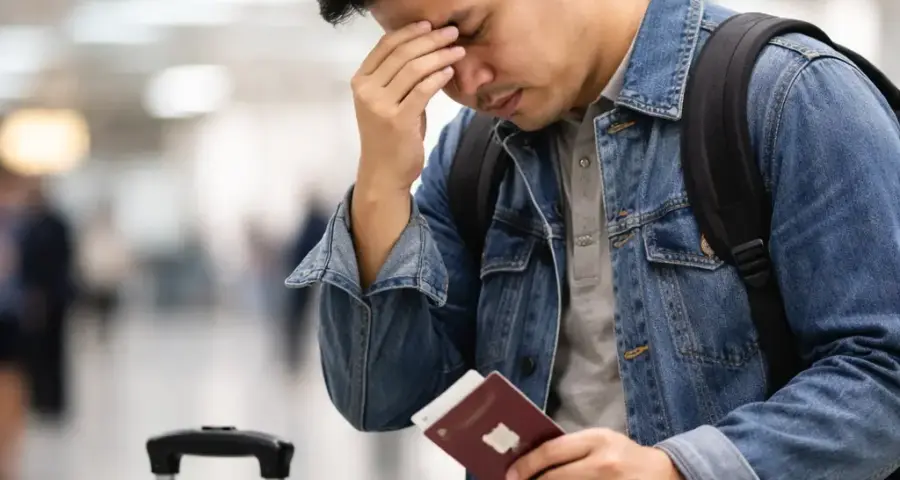
According to the Philippine Overseas Employment Administration (POEA) — now under the Department of Migrant Workers (DMW) — an estimated 20 percent of deployed workers do not finish their first contract. The reasons range from OFW contract disputes to severe overseas employer abuse. Recognizing these patterns early can mean the difference between a successful stint abroad and a painful, premature exit.
The Emotional Toll of Unfinished Contracts
When why some OFWs are forced to come home early is discussed, people often focus on money. Yet the emotional weight is just as heavy. Workers who leave early face shame, guilt, and the daunting task of explaining a failed job to their families. Many also struggle with OFW emotional struggles such as depression and anxiety triggered by the very circumstances that forced them out.

Contract Problems and Premature Termination
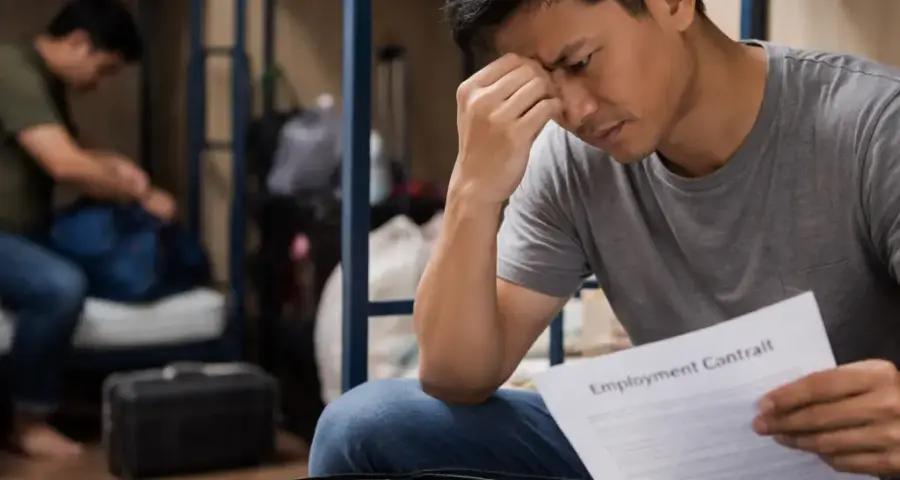
One of the top reasons behind early OFW repatriation is trouble with the employment contract itself. OFW contract problems range from hidden clauses to outright fraud. Some workers discover that the salary, job role, or working conditions listed in their contract do not match reality. When they complain, employers threaten termination, leaving them no choice but to come home.
How Contract Violations Force Workers Home
OFW contract disputes often begin with recruitment agencies that promise one thing on paper and deliver another on site. A domestic helper may be promised one day off per week, only to be denied any rest for months. A construction worker might arrive to find his wage is half of what was agreed. When a worker challenges these violations, the employer may cancel the contract without paying severance. This is a classic case of contract cancellation overseas that leaves the migrant stranded and forced to repatriate on their own dime.
Illegal Employer Practices That End Contracts Early
Beyond simple dishonesty, some employers engage in illegal employer practices such as withholding passports, refusing medical care, or demanding unpaid overtime. These behaviors are common in countries with weak labor protections. Victims of workplace exploitation abroad often endure months of abuse before deciding that going home is safer than staying. The DMW and Philippine embassies handle thousands of migrant worker challenges each year related to these exact issues.
Overseas Employer Abuse: When Home Becomes the Safer Choice
Overseas employer abuse is a painful reality that forces countless OFWs returning home early. Abuse can be physical, verbal, sexual, or financial. In extreme cases, workers are locked inside homes, denied food, or beaten. OFW abuse cases reported to the Philippine government have increased over the past decade, reflecting both better reporting and persistent risks.
Recognizing the Signs of Abuse Before It Is Too Late
Workers often send coded messages to their families: “I miss you too much” may actually mean “I am in trouble.” Overseas worker struggles that involve abuse are sometimes hidden because the victim fears retaliation or deportation. But workplace exploitation abroad leaves clear signs — sudden weight loss, reluctance to video call, or unexplained injuries. Families should treat any drastic change in communication as a potential red flag.
What to Do When Abuse Happens
The first step for any worker facing overseas employer abuse is to contact the Philippine embassy or consulate. They can provide safe shelter, legal aid, and facilitate early repatriation cases. The DMW also runs a 24/7 hotline for migrant worker problems. Workers should never try to escape alone; coordinated help is safer and faster.
Homesickness and Emotional Struggles
Not every early return is caused by abuse or broken contracts. Many workers simply cannot bear the loneliness. OFW homesickness is one of the most underreported but powerful drivers of returning OFW stories. Being thousands of miles away from family, especially during birthdays, holidays, or emergencies, wears down even the most determined worker.
Homesick Overseas Workers: The Silent Crisis
Homesick overseas workers often hide their feelings because they do not want to appear weak. But the mental toll is severe. Studies show that OFW mental health deteriorates significantly within the first six months of deployment. Without familiar faces, cultural comforts, or emotional support, some workers develop depression that makes daily functioning impossible. When the pain of staying exceeds the loss of income, they book a flight home.
How Families Can Support an OFW Battling Homesickness
Families can make a huge difference by scheduling regular video calls, sending care packages, and being patient with mood changes. If OFW emotional struggles escalate, professional counseling via telemedicine can help. Many OFWs do not realize that OFW support programs offered by the government include free psychological first aid.
Financial Crisis and Debt Traps
Ironically, a primary reason people go abroad is to earn money — yet financial trouble is among the top causes of early OFW repatriation. OFW financial struggles often begin before the worker even leaves the Philippines. High placement fees, loans for plane tickets, and agency costs create a debt hole that monthly salaries cannot fill. When the math does not work, the worker ends up broke and broken.
The Hidden Costs That Trigger Return
Many workers discover that their salary is lower than advertised after deductions for food, housing, and transportation. Others fall victim to OFW financial crisis after sending too much money home, leaving nothing for emergencies. When a medical bill or unexpected expense hits, they have no buffer. Failed overseas employment often boils down to simple arithmetic: the cost of staying exceeds the ability to earn. For a related guide, see 7 Reasons Insurance Is Essential for Every Family.
Avoiding the Debt Spiral
Before accepting a job, workers should calculate net income versus expenses abroad. The DMW requires standardized contracts, but some agencies still slip in high commission fees. Aspiring OFWs should compare offers from multiple agencies and avoid those that demand upfront payments. Knowing overseas work realities — including hidden costs — can prevent a returning migrant worker story from being one of financial ruin.
Health Issues and Medical Repatriation
Physical and mental health emergencies force many OFWs to come home early. Work-related injuries, chronic illnesses, and pregnancy complications are common. Overseas work challenges often include harsh climates, long hours, and poor sanitation that weaken the body.
When Sickness Overpowers the Dream
A factory worker in Taiwan may develop respiratory problems from dust. A domestic helper in the Middle East might suffer from kidney failure due to heat and limited water breaks. If the employer refuses to provide medical care, the only option is medical repatriation. The Philippine government covers some returning overseas workers medical costs through the Overseas Workers Welfare Administration (OWWA), but the process can be slow and stressful.
Mental Health: The Invisible Emergency
OFW mental health is just as critical as physical health. Depression, anxiety, and post-traumatic stress disorder (PTSD) from abuse are common. Yet many workers avoid seeking help because of stigma. When mental health deteriorates to the point of suicidal thoughts or inability to function, early OFW repatriation becomes unavoidable. Families should treat mental health complaints as seriously as physical injuries.
Family Problems at Home That Call OFWs Back
Sometimes the problem is not abroad but back in the Philippines. A sick parent, a cheating spouse, a child in crisis — family issues of OFWs can be urgent enough to justify an immediate return. Why some OFWs are forced to come home early due to family emergencies is a heartbreaking reality that no amount of planning can fully prevent.
The Guilt of Distance
Many OFWs carry constant guilt about missing milestones — graduations, funerals, birthdays. When a major family emergency occurs, the worker feels torn between duty abroad and responsibility at home. OFW employment issues become secondary when a loved one is suffering. Workers who return for family reasons often face financial hardship but find emotional relief.
Practical Steps to Prevent or Manage Early Repatriation
While not every early return can be avoided, many can be prevented with proper planning and awareness. Here are actionable strategies for OFWs, their families, and aspiring overseas workers.
Before Leaving: Do Your Homework
Research the employer, read reviews from former employees, and verify the agency’s license with the DMW. Understand overseas work adjustment and prepare for culture shock. Attend the mandatory Pre-Departure Orientation Seminar (PDOS) and ask specific questions about OFW support programs.
While Abroad: Build a Safety Net
Save an emergency fund equivalent to three months of expenses. Keep copies of your contract, passport, and embassy contact info. Stay connected with fellow Filipinos and join community groups. If problems arise, document everything — emails, messages, photos — as evidence for workplace exploitation abroad claims.
When Return Is Imminent: Know Your Rights
If you must return early, contact the DMW, OWWA, or Philippine consulate immediately. Ask about OFW support programs that provide financial assistance, counseling, and re-employment services. Do not sign any termination papers without reading them carefully or consulting a lawyer.
Useful Resources
For more information and direct assistance, visit the official websites of the Department of Migrant Workers and the Overseas Workers Welfare Administration.
- Department of Migrant Workers (DMW) – Official Portal
- Overseas Workers Welfare Administration (OWWA) – Programs for Returning OFWs
Understanding why some OFWs are forced to come home early is not about dwelling on failure. It is about equipping every aspiring and current overseas worker with the knowledge to avoid pitfalls and the courage to seek help when needed. The journey abroad can still be a success — with the right preparation, support, and resilience.
Frequently Asked Questions About Why Some OFWs Are Forced to Come Home Early
Why do some OFWs return home early?
OFWs return home early due to contract disputes, employer abuse, severe homesickness, financial crises, health emergencies, or family problems at home. Each reason involves unique pressures that make continuing abroad unsafe or unbearable.
What problems force OFWs to leave their jobs abroad?
Common problems include contract violations, non-payment of wages, physical or verbal abuse, unsafe working conditions, and employer refusal to provide medical care. These OFW employment issues often leave workers with no choice but to resign or request repatriation.
How does homesickness affect OFWs?
Homesickness triggers depression, anxiety, loss of appetite, insomnia, and reduced productivity. Severe OFW homesickness can impair a worker’s ability to function, leading to resignation or early termination of the contract.
What financial struggles do returning OFWs face?
Returning OFWs often deal with debt from placement fees, depleted savings, unpaid bills, and the cost of last-minute plane tickets. Many face OFW financial crisis because they sent most of their salary home and had no emergency fund.
Are contract violations common among OFWs?
Yes, OFW contract disputes are frequent, especially in domestic work, construction, and service industries. Violations include lower-than-agreed wages, longer hours, withheld passports, and denied rest days. The DMW receives thousands of such complaints each year.
How do health issues impact overseas workers?
Health issues — from work injuries to chronic illnesses and mental health breakdowns — can force medical repatriation. Workers without employer-provided insurance often find themselves unable to afford treatment abroad, making return the only option.
Why do some OFWs experience workplace abuse?
Workplace abuse happens due to power imbalances, weak labor laws in host countries, and employer impunity. Overseas employer abuse is more common in private households and small firms where workers have little oversight or support.
What countries have the highest OFW return rates?
Countries with high return rates include Saudi Arabia, Kuwait, and the United Arab Emirates for domestic helpers, and Taiwan and Hong Kong for factory and caregiving workers. Harsh climates, cultural isolation, and employer abuse are major factors.
How can OFWs avoid premature return from abroad?
Workers can reduce risk by researching employers thoroughly, reading contracts with a lawyer, saving an emergency fund, staying connected with family, and knowing their rights. Attending PDOS and joining Filipino community groups also helps with overseas work adjustment.
What support is available for returning OFWs?
The DMW and OWWA offer financial assistance, counseling, reintegration programs, and job placement services. OFW support programs also include skills training, small business loans, and mental health support through the OWWA Welfare Officer.
How do family problems affect OFW careers?
Family emergencies — illness, death, marital crisis, or child troubles — often force OFWs to prioritize home over work. The guilt and worry can also reduce performance, increasing the risk of contract termination.
Why do employers terminate OFW contracts early?
Employers terminate contracts for reasons such as poor performance, insubordination, or, more commonly, to avoid paying benefits. Some simply find a cheaper replacement. Contract cancellation overseas often leaves workers with no severance or return ticket.
What lessons can returning OFWs learn?
Returning OFWs learn the importance of due diligence, emergency savings, legal awareness, and emotional self-care. Many returning OFW stories emphasize that a failed contract is not a personal failure but a learning experience.
How does culture shock affect OFWs abroad?
Culture shock causes confusion, frustration, and isolation. Differences in language, food, religion, and social norms can make daily life exhausting. Over time, culture shock contributes to OFW homesickness and mental health decline.
What are the emotional effects of returning home early?
Returning home early can cause shame, guilt, depression, and anxiety. Many workers feel they let their family down. However, with proper support, many rebuild and find new opportunities. OFW emotional struggles are real but treatable.
Can an OFW get a new job after early return?
Yes. Returning OFWs can apply for re-employment through the DMW, OWWA, or private agencies. Skills gained abroad are still valuable. Many returning migrant workers find local jobs or re-deploy to a different country after proper planning.
What rights does an OFW have if abused abroad?
OFWs have the right to report abuse to the Philippine embassy, request a safe shelter, legal assistance, and repatriation. The DMW can hold the employer accountable, including blacklisting them from hiring Filipino workers.
How much does early repatriation cost the OFW?
Costs vary from free (if the employer or embassy arranges it) to thousands of dollars if the worker pays out of pocket. Overseas work challenges often include hidden repatriation fees that deplete savings.
What are the first signs of overseas employment failure?
First signs include frequent complaints about the employer, sudden silence, requests for extra money, unexplained injuries, and expressed desire to come home. Families should treat these as serious migrant worker problems.
Is it better to stay or go when problems arise?
It depends on the severity. If abuse, danger, or serious health issues are present, leaving is safer. For manageable challenges like mild homesickness or minor contract issues, seeking help from the embassy and fellow workers may allow the OFW to finish the contract.