

How to File a Car Insurance Claim in the Philippines Key Takeaways
If you drive in Metro Manila, Cebu, Davao, or anywhere in the Philippines, chances are you’ll eventually need to file a car insurance claim in the Philippines .
- How to File a Car Insurance Claim in the Philippines starts with safety, documentation, and immediately notifying your insurer within 24 hours.
- The most common reasons claims get rejected are missing police reports, late notification, and incomplete photos.
- Understanding your policy type — comprehensive vs. third-party liability — determines what damages are covered.
What Every Driver Should Know About How to File a Car Insurance Claim in the Philippines
If you drive in Metro Manila, Cebu, Davao, or anywhere in the Philippines, chances are you’ll eventually need to file a car insurance claim in the Philippines. Whether it’s a minor bumper scrape along EDSA or a major collision on the North Luzon Expressway (NLEX), knowing the process ahead of time turns a chaotic moment into a manageable one.
Most car insurance policies in the Philippines are annual contracts that cover accidental damage, theft, and third-party liability. But coverage varies widely. Comprehensive insurance typically pays for repairs to your own car and damage you cause to others. Third-party liability only covers damage you do to other people’s property. Before you even file a claim, you need to check what your policy specifically covers. For a related guide, see Common Health Insurance Claim Denials and How to Avoid Them.
This guide walks you through every step — from the moment the accident happens to the day your car is back on the road. Follow these steps exactly, and you’ll avoid the pitfalls that cause delays and outright claim denials.
Step 1: Ensure Safety and Gather Evidence Immediately
The seconds after a car accident are critical — not just for safety, but for building a strong insurance claim. The very first thing you must do is check if anyone is injured. Call 911 or the local emergency hotline if needed. Move your vehicle to a safe spot if possible, but only if moving it won’t obscure damage or fault.
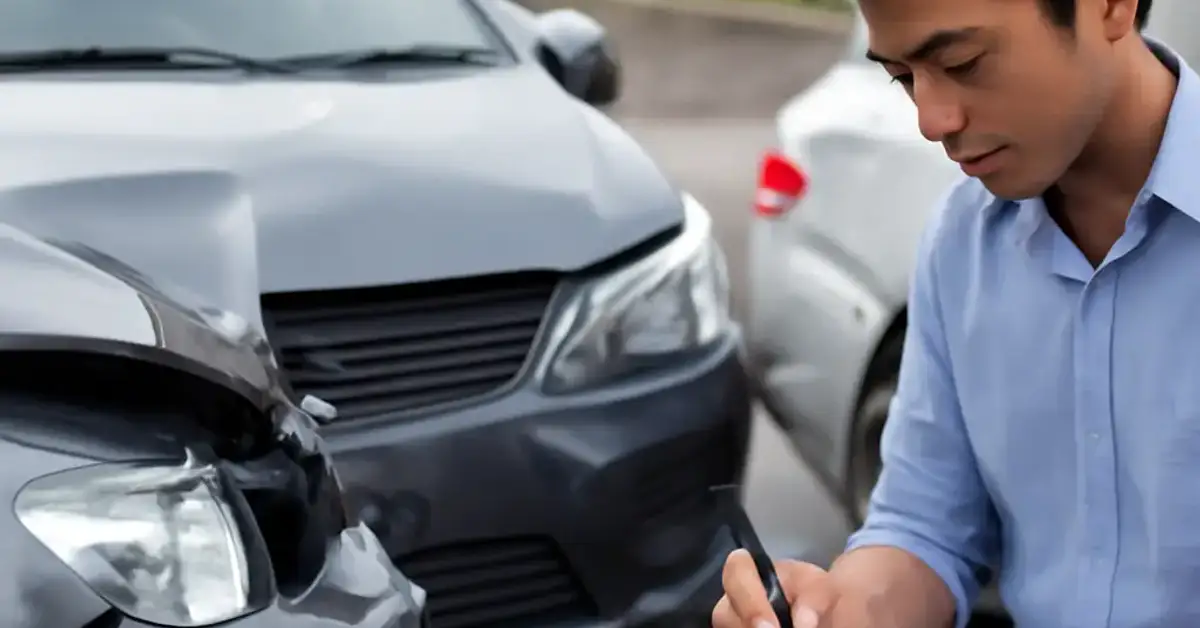
Once everyone is safe, start documenting everything. Take clear photos and videos of all vehicles involved, the surrounding road, traffic signs, skid marks, and any visible injuries. Get the name, contact number, plate number, and driver’s license of the other driver. If there are witnesses, ask for their details too.
This evidence becomes your primary proof when you file a car insurance claim in the Philippines. Without it, insurers may question your version of events.
What Documents to Collect at the Scene
- Photos of all vehicles from multiple angles
- Video showing the surrounding area and road conditions
- Contact and insurance details of the other driver
- Names and contact numbers of at least two witnesses
- Police incident report (obtained at the nearest police station)
Step 2: Report the Accident to Your Insurance Provider Within 24 Hours
Here’s a rule you cannot break: you must notify your insurance company within 24 hours of the accident. Many policies state that late reporting voids the claim. Call your insurer’s hotline or file a report through their mobile app or website. Most major Philippine insurers like BPI/MS, Pioneer Insurance, or Standard Insurance have 24/7 claims hotlines.
When you call, they’ll assign a claim number and give you instructions on what to do next. They’ll also tell you which of their accredited repair shops are nearest to you. Some insurers insist you bring the car to their shop; others let you choose a reputable shop as long as it’s pre-approved.
Pro tip: Write down your policy number and the hotline number right now and keep it in your glove compartment. You will not remember it in the middle of an accident.
Step 3: Secure a Police Report (Essential for Most Claims)
A police report is often a mandatory requirement to file a car insurance claim in the Philippines. Without it, your claim can be rejected outright. If the accident happened on a major road, go to the nearest police station or traffic enforcement office within 24 hours. For minor accidents, barangay officials may issue a settlement report if both parties agree on responsibility. For a related guide, see Best Car Insurance Companies in the Philippines 2026.
The police report should include: date, time, location, names of drivers, plate numbers, description of damage, and the officer’s assessment of fault. Double-check that all your details are spelled correctly before leaving the station. A simple typo can delay your claim by weeks.
Step 4: Prepare Your Complete Claims Requirements
Once you’ve reported the accident and obtained the police report, gather all required documents. Each insurance company has a slightly different list, but here’s what’s almost always required:
| Document | Where to Get It |
|---|---|
| Duly accomplished claim form | From your insurer (online or branch) |
| Copy of your insurance policy or certificate of cover | Your email or insurance agent |
| Official police report (original or certified copy) | Nearest police station or PNP website |
| Driver’s license of the named insured | Personal copy |
| Vehicle registration (OR/CR) | LTO-issued original or photocopy |
| Photos of the damage (printed or digital) | Your phone or camera |
| Estimate of repair costs from an accredited shop | Accredited repair shop |
Some insurers also require a notarized affidavit of loss or a statement of non-use of vehicle. Check with your provider if they need anything extra. Submit all documents in one batch to avoid multiple follow-ups.
Step 5: Submit Your Claim and Wait for Inspection
After you submit the documents, the insurance company will assign an adjuster to inspect your vehicle. The adjuster is an independent expert who assesses the damage, verifies your story, and estimates the repair cost. They will schedule a physical inspection at the repair shop or at a designated inspection center.
During the inspection, the adjuster will take their own photos, match them with your evidence, and review the police report. Be present if possible. Answer questions honestly but don’t over-explain. The adjuster’s report determines how much the insurer will pay for repairs.
Do not start any repair work before the inspection. If you do, the insurer can deny the claim because they can’t verify the damage.
Step 6: Get Your Car Repaired at an Accredited Shop
Once the adjuster approves the estimate, you can proceed with repairs. Most insurance policies require you to use their accredited repair shop. These shops have pre-negotiated rates with the insurer, which helps control costs and ensures quality standards.
If you prefer a different shop, ask your insurer if they allow non-accredited shops. Some do, but you may need to pay the difference if the shop’s rate is higher than the insurer’s approved estimate. You are responsible for any repair cost that exceeds the adjuster’s authorized amount.
The repair shop will coordinate directly with the insurance company for billing. You only pay for any deductibles or non-covered parts, such as wear-and-tear items like tires or batteries.
Step 7: Pay Your Deductible (If Applicable) and Claim Your Car
Once repairs are done, the shop will notify you to pick up your car. Before that, you need to settle any deductible amount stated in your policy. The deductible is the portion you agreed to pay out-of-pocket when you bought the insurance. Usually it’s around PHP 2,000 to PHP 5,000 for standard comprehensive policies.
Some insurers allow you to pay the deductible directly to the repair shop. Others request payment to the insurance company first. Clarify this with your adjuster or claims officer. After payment, sign the release form, and your car is ready to go.
Keep all receipts and the final repair invoice. If the same damage leads to further issues later, you may need them for follow-up claims or warranties.
Common Mistakes That Delay or Reject Car Insurance Claims in the Philippines
Even if you follow every step above, certain mistakes can still sink your claim. Here are the most frequent errors Filipinos make and how to avoid them:
Mistake 1: Not Reporting Within 24 Hours
The number one reason for claim denial. Even if the accident looks minor, report it. Some drivers think they can settle privately and only file if the other party sues. But late notification gives the insurer grounds to reject coverage.
Mistake 2: Admitting Fault at the Scene
Never say “I’m sorry” or “It was my fault” at the accident scene. Your admission can be used by the other party’s insurer to deny their liability. Exchange information calmly and let the police and insurance adjusters determine fault.
Mistake 3: Throwing Away the Police Report
Keep the police report forever — at least until the claim is fully settled. Some claimants lose the document and then can’t prove the accident details when the insurer asks for a follow-up.
Mistake 4: Getting Repairs Before Approval
As mentioned earlier, never start repairs before the adjuster inspects the car. If you do, you’ll likely pay for everything yourself.
Mistake 5: Submitting Incomplete or Incorrect Forms
Double-check every form. Wrong plate number, misspelled name, or missing signatures cause back-and-forth delays that can stretch weeks.
Tips for OFWs and Vehicle Owners With Cars in the Province
If you’re an OFW working abroad and your car is in the Philippines driven by a family member, you need a Special Power of Attorney (SPA) authorizing your representative to sign documents and receive payments. Without an SPA, the insurance company may refuse to deal with anyone except the policyholder.
Similarly, if you live in a province far from your insurer’s accredited shop, ask about customer pick-up or authorized partner shops in your area. Some insurers have mobile adjusters who can travel to your location for an extra fee.
Ride-Hailing and Delivery Drivers: Special Considerations
Drivers for Grab, Angkas, JoyRide, Lalamove, or other ride-hailing and delivery platforms should know that many personal car insurance policies exclude commercial use. If you use your vehicle for hire, you likely need a commercial insurance policy or a personal policy with a ride-hailing add-on.
Check your policy wording carefully. If you file a claim for an accident that happened while you had a passenger paying for a ride, the insurer may deny coverage. Talk to your agent about getting proper commercial coverage.
Useful Resources
The Insurance Commission of the Philippines provides official guidelines and consumer assistance for insurance disputes. Visit their website for policyholder rights: Insurance Commission – Consumer Affairs.
For a complete list of accredited repair shops and claims procedures, check the Philippine Insurers and Reinsurers Association (PIRA) site: PIRA – Consumer Resources.
Frequently Asked Questions About How to File a Car Insurance Claim in the Philippines
How long does it take to process a car insurance claim in the Philippines?
Typically 7 to 15 working days from submission of complete documents. Complex claims involving injuries or disputes can take up to 30 days or more.
Can I file a claim if the accident was my fault?
Yes, comprehensive insurance covers your own damages regardless of fault. Only third-party liability claims are affected by fault determination.
What if the other driver has no insurance?
Your comprehensive policy still covers your vehicle’s damage. Your insurer may go after the uninsured driver for reimbursement through subrogation.
Do I need a police report for a minor scratch?
Most insurers require a police report even for minor accidents. If you have a friendly settlement, a barangay blotter may suffice, but a police report is safer.
Can I choose my own repair shop?
Yes, but the insurer will only pay up to their approved estimate. If your shop charges more, you pay the difference.
What happens if my car is declared a total loss?
The insurer will pay you the actual cash value of the car minus your deductible. You surrender the vehicle and the insurer sells it for salvage.
Is theft covered by comprehensive insurance?
Yes, theft is covered under comprehensive policies. You must file a police report for the theft and submit it with your claim.
Can I file a claim if my driver hit someone?
Yes, but make sure your driver has a valid driver’s license. If the driver is not listed on the policy, some insurers may still cover the claim but could apply conditions.
What is a deductible and how much is it?
A deductible is the fixed amount you pay out-of-pocket before the insurance pays the rest. In the Philippines, deductibles range from PHP 2,000 to PHP 10,000 depending on the policy and car value.
Do I need to pay the deductible even if the other driver is at fault?
Yes, you still pay your deductible to your own insurer. If your insurer recovers the cost from the other driver’s insurance, you may get the deductible refunded later.
Can I file a claim without the original OR/CR?
Most insurers require the original OR/CR or at least a certified copy. If you lost it, request a replacement from LTO before filing your claim.
What should I do if my insurer rejects my claim?
First, ask for a written explanation. If you believe the rejection is unfair, you can file a complaint with the Insurance Commission or seek legal advice.
Is there a time limit for filing a claim?
Yes, most policies require claims to be filed within one year from the date of the accident. After that, the claim is barred by prescription.
Can I file a claim if I only have third-party liability insurance?
Third-party liability only covers damages you cause to other vehicles or property. It does not cover your own car’s repairs.
What does and quot;act of God and quot; mean in car insurance?
Acts of God such as typhoons, floods, earthquakes, and lightning are typically covered under comprehensive insurance unless your policy specifically excludes them.
Do I need to pay for towing after an accident?
Many comprehensive policies include towing coverage up to a certain amount, usually PHP 2,000 to PHP 5,000. Check your policy or ask the hotline operator.
Can I transfer my insurance to a new car if I sell the old one?
Yes, most insurers allow you to transfer the remaining coverage to a new vehicle within the policy period. You’ll need to notify the insurer and pay a transfer fee.
What if the accident happened in a remote area without a police station?
Go to the nearest barangay hall or municipal police outpost. Ask for a blotter or incident report. Some insurers accept barangay reports for minor accidents.
Can I file a claim if I lost my insurance policy document?
Yes, you can request a certified copy from your insurer. Provide your policy number and identification. They will issue a duplicate for claim purposes.
Will my insurance premium increase after I file a claim?
Yes, filing a claim typically raises your premium at renewal. Some insurers offer a no-claim discount if you avoid filing for a year. Weigh the cost of small repairs against potential premium increases.