

Why Filipinos Still Choose to Work Abroad Key Takeaways
Each year, over two million Filipinos leave their homeland to work overseas, accepting contracts that separate them from their families for years at a time.
- Why Filipinos still choose to work abroad despite high risks is primarily driven by the massive wage gap between the Philippines and destination countries, making overseas work the only viable route to financial stability for millions.
- The OFW risks and challenges are real and severe, including unsafe working conditions, contract violations, and profound family separation, but these are often weighed against the immediate need to provide food, education, and healthcare.
- Despite the personal costs, overseas Filipino worker motivation is sustained by a deep sense of duty and the tangible economic lifeline provided by remittances, which account for nearly 10% of the Philippine GDP.
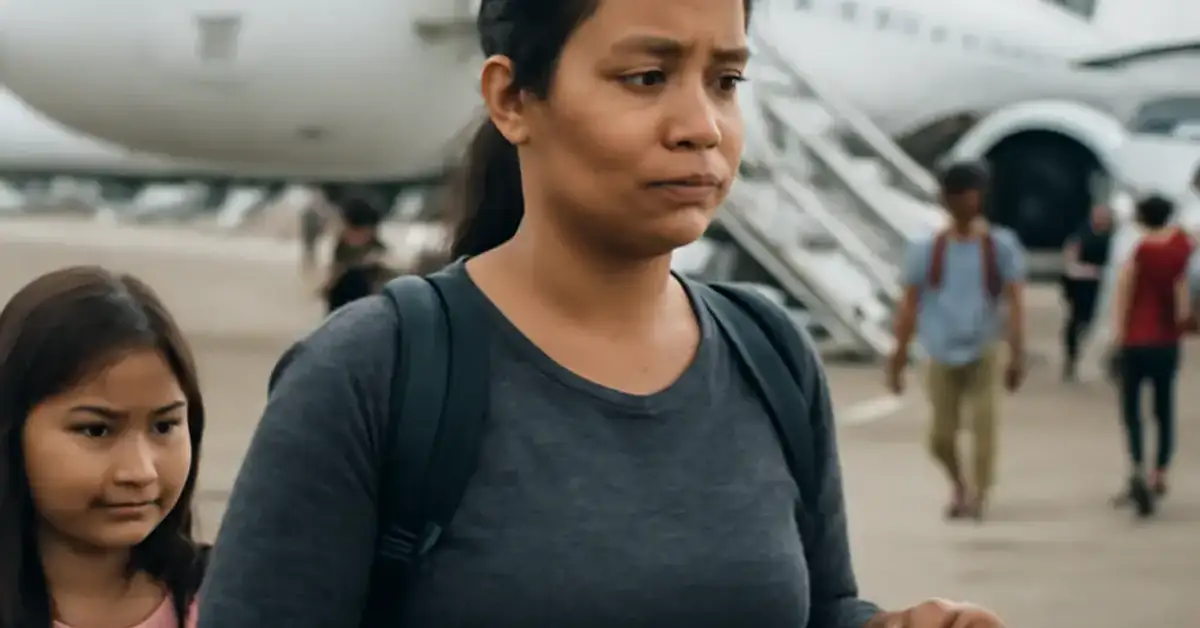
So, why Filipinos still choose to work abroad despite high risks remains a question with a bittersweet answer. It is a story of love and duty, hope and desperation, sacrifice and ambition. The overseas Filipino worker motivation is not mysterious: it is the desire to give their family a fighting chance at a better life. The risks—exploitation, loneliness, danger—are real and present, but they are weighed against the certainty of economic pain at home. For a related guide, see OFW Savings Guide: 7 Smart Strategies to Secure Your Future After Working Abroad.
The brave Filipino workers overseas are not victims; they are decision-makers making a terrible choice between two bad options. The only way to change this dynamic is to build a Philippine economy that can offer its people the same opportunities they find abroad. Until that day comes, the exodus will continue, and the economic reasons for migration will remain unchanged.
Useful Resources
For more detailed statistics and analysis on labor migration and remittances, visit the official website of the Philippine Statistics Authority at psa.gov.ph. For up-to-date data on OFW remittance flows and economic impact, refer to the Bangko Sentral ng Pilipinas at bsp.gov.ph.
Frequently Asked Questions About Why Filipinos Still Choose to Work Abroad
What is the main reason Filipinos work abroad?
The primary reason is the significant wage gap. Better salaries abroad often range from three to ten times higher than equivalent jobs in the Philippines, making overseas employment the fastest route to financial stability for many families.
How does the Philippine government protect OFWs?
The government, through the Department of Migrant Workers (DMW), offers mandatory pre-departure orientation seminars, a 24-hour assistance hotline, legal aid, and repatriation services. Bilateral agreements with host countries also aim to enforce minimum wage and labor standards. For a related guide, see How the Philippine Government Supports OFWs Abroad.
What are the biggest risks faced by OFWs?
The most common OFW risks and challenges include contract substitution, wage theft, physical and verbal abuse, unsafe living conditions, discrimination, and severe homesickness that can lead to mental health issues.
Is the number of OFWs increasing or decreasing?
Despite global disruptions like the pandemic, the number of deployed OFWs has been steadily increasing, reaching over 2 million in recent years. The demand for Filipino workers remains high in healthcare, construction, domestic work, and maritime services.
How much do OFWs contribute to the Philippine economy?
OFWs remitted approximately USD 37.2 billion in 2023, accounting for nearly 10% of the country’s Gross Domestic Product (GDP). This OFW remittances economy is a major driver of consumer spending and local investment.
What are the emotional costs of being an OFW?
The emotional toll is significant. Many OFWs endure prolonged separation from spouses and children, missing important family milestones. This often leads to depression, anxiety, and strained family relationships, a major part of the OFW sacrifices.
Do OFWs face discrimination abroad?
Yes, discrimination based on nationality, race, and gender is a documented issue. Filipino workers have reported being treated unfairly, receiving lower pay than locals for the same work, or being subjected to derogatory stereotypes.
What industries employ the most OFWs?
The top industries are domestic work, construction, healthcare (nurses and caregivers), hospitality and tourism, maritime shipping, and manufacturing. These sectors heavily rely on overseas work opportunities for Filipinos.
Why don’t OFWs find jobs in the Philippines instead?
Philippine unemployment and migration are linked to a lack of quality jobs that pay a living wage. Even with a college degree, many Filipinos cannot find work that covers basic necessities, making overseas employment the only viable option.
How do OFWs cope with homesickness?
Coping mechanisms include regular video calls with family, building strong communities with fellow OFWs, engaging in hobbies, and seeking support from Filipino associations and churches abroad. Some also attend counseling sessions.
What is contract substitution?
Contract substitution is a common scam where an employer or agency presents one contract in the Philippines with favorable terms, then forces the worker to sign a different, less favorable contract upon arrival in the host country.
Do OFWs get sick or vacation leave?
It depends on the country and employer. In countries with strong labor laws, OFWs are entitled to paid leave. However, many domestic workers and laborers in less regulated markets are denied basic benefits, increasing the risks of working abroad.
Can OFWs bring their families with them?
Some countries allow OFWs to bring dependents, particularly for high-skilled workers. However, this is rare for domestic workers and laborers due to visa restrictions and the high cost of living in host countries.
What happens to OFWs who are abused?
They can seek help from the Philippine embassy or consulate in the host country. The DMW also has a repatriation program for distressed workers. However, many cases go unreported due to fear of retaliation or deportation.
How do OFWs send money home?
The most common methods are bank transfers, money transfer services like Western Union and Palawan Pawnshop, and increasingly, digital wallets like GCash and PayMaya, which have lower fees and faster processing times.
Are there age limits for becoming an OFW?
Generally, workers must be at least 18 years old. There is no strict upper age limit, but many employers prefer younger workers for physically demanding jobs. Skilled professionals may find opportunities regardless of age.
What is the role of recruitment agencies for OFWs?
Licensed recruitment agencies connect Filipino workers with foreign employers. However, illegal recruiters and unlicensed agencies are a major source of problems. The DMW maintains a list of accredited agencies to protect workers.
Do OFWs pay taxes in the Philippines?
Yes, OFWs are generally exempt from Philippine income tax on their foreign-source income if they stay abroad for more than 183 days per year. However, they still pay local taxes on properties and businesses they own in the Philippines.
How can aspiring OFWs avoid scams?
They should only deal with DMW-accredited agencies, never pay exorbitant placement fees, verify job offers through official channels, and attend mandatory pre-departure seminars. Understanding the migrant worker struggles is key to preparation.
Will the trend of Filipinos working abroad continue?
Yes, the trend is expected to continue for the foreseeable future. As long as the wage gap persists and the Philippine economy cannot provide sufficient overseas work opportunities at home, why Filipinos still choose to work abroad despite high risks will remain a relevant and pressing question for generations.