
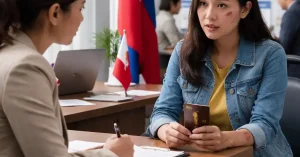

OFW Abuse Cases Key Takeaways
Every year, thousands of OFW abuse cases surface, revealing violations of OFW workers rights such as unpaid wages, forced labor, and contract breaches.
- OFW abuse cases span wage theft, physical abuse, contract violations, and illegal recruitment—all of which are actionable under law.
- Key legal protections include the Migrant Workers Act (RA 10421), POEA regulations, and the One-Country Team approach by Philippine embassies.
- OFWs have access to free legal aid, welfare programs, and emergency repatriation from the Department of Migrant Workers (DMW) and OWWA.
Understanding OFW Abuse Cases and the Rights That Protect You
Behind every remittance that reaches a Filipino household is a worker who may face labor abuse abroad. Data from the Commission on Filipinos Overseas and the Department of Migrant Workers record tens of thousands of reported OFW abuse cases each year. The most common violations include non-payment of salaries, denial of rest days, confiscation of passports, and even physical or sexual harassment. For a related guide, see Why Some OFWs Are Forced to Come Home Early.

Fortunately, Filipino migrant worker rights are enshrined in Republic Act No. 10421 (Migrant Workers and Overseas Filipinos Act), the POEA Standard Employment Contract, and the 2019 Department Order on overseas worker protection. Moreover, international treaties like the UN Convention on the Protection of the Rights of All Migrant Workers supplement local laws.
This article walks you through the nine specific rights you have as an OFW, how to claim them, and what to do when an employer violates your contract. We also cover OFW exploitation cases, illegal recruitment cases Philippines, and the practical steps for OFW complaint process and OFW legal assistance.
Nine Essential Rights of Overseas Filipino Workers
1. Right to a Written Employment Contract
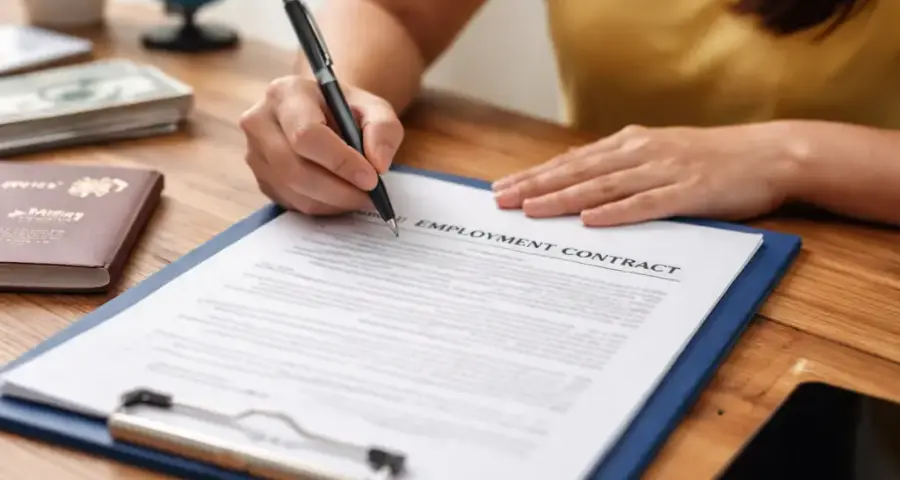
Every OFW must receive a written contract verified by the Department of Migrant Workers (DMW) before departure. This contract details your wages, working hours, rest days, accommodation, and benefits. A contract violation abroad gives you legal ground to demand compliance or seek OFW legal assistance.
2. Right to Fair Wages and Benefits
You are entitled to the minimum wage of the host country—or the rate stated in your contract if higher—plus overtime pay, holiday pay, and mandatory benefits. OFW exploitation cases often begin when employers delay or withhold wages. Keep payslips and bank records as proof.
3. Right to Safe and Healthy Working Conditions
Employers must provide a workplace free from hazards, as well as clean housing and drinking water. Overseas job safety is protected by local labor laws and Philippine regulations. If you witness labor abuse abroad due to unsafe conditions, document everything and report immediately.
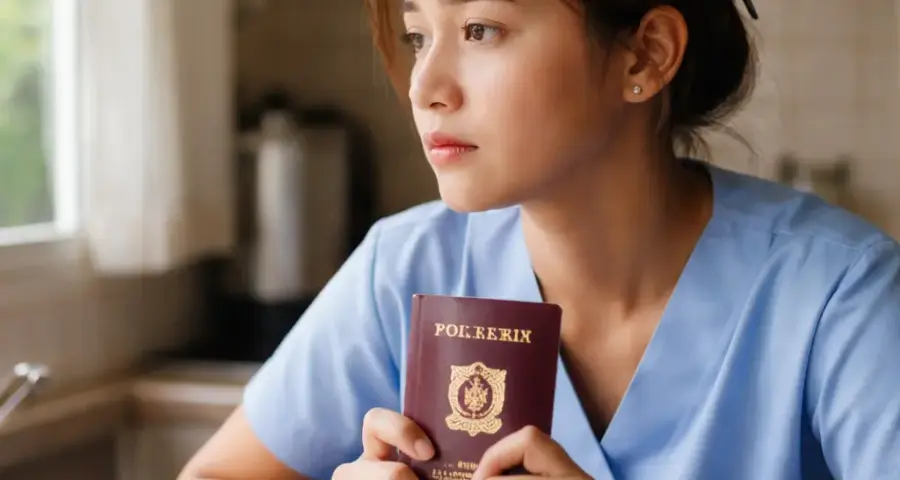
4. Right to Keep Your Passport and Personal Documents
It is illegal for employers or recruitment agencies to confiscate your passport or other travel documents. This practice, a red flag of recruitment agency abuse, strips you of mobility and access to embassy support for OFWs. Your passport remains your property.
5. Right to Leave, Rest Days, and Holidays
Your contract must specify weekly rest days and annual leave. Employer exploitation abroad often involves forcing OFWs to work seven days a week. Philippine labor attaches and embassies can intervene when your rest rights are violated.
6. Right to Medical Care and Insurance
Every OFW is covered by OWWA insurance, which includes medical evacuation and death benefits. In cases of injury or illness abroad, you are entitled to free medical treatment from your employer, plus compensation. OFW welfare programs also cover psychosocial support for victims of abuse.
7. Right to Free Legal Assistance and Representation
The Philippine government provides free legal aid to OFWs facing OFW abuse cases abroad. The Legal Assistance for Overseas Filipinos Program (LAFOFP) covers lawyers’ fees and court costs. You can also contact the DMW’s OFW support hotline for immediate referral.
8. Right to Confidential Complaint and Repatriation
You may report abuse or contract violations without fear of retaliation. The OFW complaint process allows you to file a case while abroad, with the embassy as your conduit. If the situation is untenable, the government covers emergency repatriation—including for victims of OFW exploitation cases.
9. Right to Access Embassies and Consular Services
Philippine embassies and consulates are your first line of protection. They assist with lost documents, legal referrals, liaison with local authorities, and temporary shelter. Embassy support for OFWs is a mandatory service under the One-Country Team approach.
Common Types of OFW Abuse Cases and Warning Signs
Wage Theft and Non-Payment
The most reported OFW abuse cases involve employers who pay less than the contract amount, delay salaries for months, or pay in a currency with unfair exchange rates. Migrant worker protection laws require your employer to pay on time and in full. If you experience this, compile payslips, bank records, and witness statements.
Contract Switching and Substitution
Some agencies promise one job during recruitment but present a different contract upon arrival—a classic sign of illegal recruitment cases Philippines. This practice voids your overseas employment protection because the POEA-verified contract differs from the actual one. Demand the signed POEA contract before flying.
Physical, Verbal, or Sexual Abuse
Cases of physical assault or psychological harassment remain tragically common. Migrant worker abuse cases in domestic work are especially underreported because workers live inside the employer’s home. The DMW and embassies treat these with utmost priority, offering shelter, medical care, and legal action.
Passport Confiscation and Restricted Movement
When an employer holds your passport, you cannot leave the country or seek refuge. This is a clear violation of OFW workers rights. Report to the nearest Philippine embassy or consulate immediately. They will assist in recovering your documents.
Illegal Recruitment and Excessive Fees
Recruitment agencies that charge placement fees beyond the allowed limit (usually equivalent to one month’s salary) are engaging in recruitment agency abuse. The POEA has a blacklist of such agencies. Check the list before applying.
Step-by-Step: How to Report and Resolve OFW Abuse Cases
If you face abuse overseas, follow these steps to protect yourself and pursue justice.
Step 1: Secure Your Safety and Evidence
Move to a safe location first. Then gather all relevant documents: employment contract, passport, payslips, medical reports, photos of injuries, and messages or emails from the employer. This evidence is vital for OFW legal assistance and for filing a case.
Step 2: Contact the Philippine Embassy or Consulate
Call the 24/7 emergency hotline of the nearest Philippine embassy. Ask for the Assistance-to-Nationals (ATN) officer. They can provide shelter, medical help, and legal referrals. Embassy support for OFWs is immediate and confidential.
Step 3: File a Report with the Department of Migrant Workers
You can file a complaint online via the DMW website, through the e-Report system, or by calling the DMW hotline. The DMW will coordinate with the embassy and initiate the OFW complaint process against the employer or agency.
Step 4: Seek Legal Representation
Use the Legal Assistance for Overseas Filipinos Fund to hire a lawyer in the host country or in the Philippines. The Philippine embassy can also recommend accredited local counsel who handle worker complaint process matters.
Step 5: Request Repatriation if Necessary
If your physical or mental safety is at risk, you may request immediate repatriation. The Philippines covers the cost for distressed OFWs. You can return while the case proceeds, and you will continue to receive legal support from the DMW and OWWA.
Role of the Philippine Government and Embassies in OFW Workers Rights
The Philippine government, through the DMW, OWWA, POEA, and the Department of Foreign Affairs, has built a comprehensive system for overseas worker protection. Here is how each agency contributes.
Department of Migrant Workers (DMW)
The DMW overseas the entire OFW lifecycle: pre-employment verification, on-site assistance, and post-arrival monitoring. It runs the 24/7 Migrant Workers Protection Hotline and the e-Report platform for OFW abuse cases.
Overseas Workers Welfare Administration (OWWA)
OWWA provides insurance, medical evacuation, and social services to OFWs who are members. It also runs half-way homes in major destinations and offers OFW welfare programs like stress debriefing and livelihood training after repatriation.
Philippine Embassies and Consulates
They are the first responders. Their Assistance-to-Nationals units handle OFW embassy assistance, document retrieval, legal referrals, and emergency shelter. Many embassies now have labor attaches and welfare officers.
Philippine Overseas Labor Offices (POLO)
POLO officers under the DMW are stationed in high-OFW-density countries. They inspect workplaces, mediate labor disputes, and educate employers about migrant worker protection laws. They also assist in labor dispute overseas resolution.
How to Prevent OFW Exploitation Cases Before You Leave
Prevention starts with preparation. The following measures reduce your risk of becoming a victim of OFW abuse cases.
- Verify your recruiter and agency on the DMW’s list of licensed recruitment agencies. Avoid anyone who asks for fees beyond the one-month salary cap.
- Read your contract thoroughly before signing. Compare it with the POEA Standard Employment Contract. Watch for vague clauses on hours, pay, and leave.
- Attend the Pre-Departure Orientation Seminar (PDOS). It covers your rights, cultural norms, and how to contact authorities abroad.
- Keep digital and physical copies of your passport, visa, contract, and emergency contacts. Share them with a trusted family member.
- Download the DMW Mobile App and save the 24/7 hotline numbers. This ensures you can reach OFW support hotline quickly.
Illegal Recruitment Cases Philippines: A Persistent Threat
Illegal recruiters often target aspiring OFWs with promises of high salaries, no experience required, and instant processing. They operate without a license or use fake documents. The POEA has a blacklist of illegal recruitment entities, but new schemes appear regularly.
Recruitment agency abuse also happens when a licensed agency subcontracts to unlicensed individuals or passes off illegal fees as “training” costs. If you suspect an agency of illegal practices, report them to the DMW and the National Bureau of Investigation (NBI). The data from OFW exploitation cases show that illegal recruitment is the root cause of many later workplace abuses.
International Protections for Migrant Workers
Aside from Philippine laws, OFWs are protected by international frameworks. The Philippines is a signatory to the International Convention on the Protection of the Rights of All Migrant Workers and Members of Their Families. Many host countries also have bilateral labor agreements with the Philippines, which strengthen overseas worker protection. For a related guide, see Best Countries Where OFWs Earn the Highest Remittance Value.
When you face abuse in a country that has ratified these conventions, you can cite them in your complaint. International labor standards from the International Labour Organization (ILO) also cover wages, safety, and non-discrimination. These instruments complement Filipino migrant worker rights under Philippine law.
Useful Resources
The following credible sources provide further information on OFW abuse cases and legal support:
- Department of Migrant Workers Official Website – Access the e-Report portal, hotline numbers, and licensed agency lists.
- Department of Foreign Affairs – Assistance to Nationals – Directory of Philippine embassies and consulates offering 24/7 aid to distressed OFWs.
Frequently Asked Questions About OFW Abuse Cases
The Philippine government, through its agencies and embassies, continues to strengthen overseas employment protection and migrant worker protection laws. No OFW should face OFW abuse cases alone. Know your rights, use the support systems available, and speak up against employer exploitation abroad. If you or someone you know is experiencing abuse, contact the DMW hotline at 1348 or your nearest Philippine embassy today.
Frequently Asked Questions About OFW Abuse Cases
What rights do OFWs have when working abroad?
OFWs have rights to a written contract, fair wages, safe working conditions, keeping their passport, rest days, medical care, free legal assistance, confidential complaint, and embassy access.
How can OFWs report abuse cases overseas?
OFWs can report abuse by contacting the Philippine embassy or consulate, calling the DMW 24/7 hotline, using the e-Report portal, or filing a complaint through OWWA.
What are the most common types of OFW abuse?
The most common types are wage theft, contract substitution, passport confiscation, physical or sexual abuse, denial of rest days, and illegal recruitment.
How does the Philippine government protect OFWs?
Through the DMW, OWWA, POEA, and DFA, the government provides pre-departure orientation, contract verification, on-site assistance, legal aid, insurance, and repatriation.
What legal help is available for abused OFWs?
The Legal Assistance for Overseas Filipinos Program (LAFOFP) covers lawyer fees and court costs. OFWs can also get free legal advice from the DMW and embassies.
Why do some OFWs experience workplace exploitation?
Common reasons include lack of knowledge about rights, isolation in the workplace, fear of losing income, language barriers, and weak enforcement of labor laws in some host countries.
How can OFWs prove abuse in foreign countries?
They should collect evidence: employment contract, payslips, photos of injuries or living conditions, messages from the employer, medical records, and witness accounts.
What should OFWs do if their employer violates their contract?
First, document the violation. Next, report it to the Philippine embassy or POLO. If the situation is unsafe, request shelter and repatriation while filing a formal complaint.
How can OFWs seek assistance from embassies?
Call the embassy’s emergency hotline, ask for the Assistance-to-Nationals section, or visit during consular hours. Embassies can provide shelter, legal referrals, and document assistance.
What are the penalties for employers who abuse OFWs?
Employers face civil liability, contract termination, blacklisting from hiring OFWs, and in severe cases, criminal prosecution under host country laws and Philippine law.
How can OFWs prevent being exploited abroad?
By verifying the recruiter and agency, understanding the contract, attending PDOS, keeping copies of documents, knowing embassy contacts, and staying connected with family.
What support systems exist for abused OFWs?
OWWA provides shelter, medical care, and psychosocial counseling. The DMW offers legal aid and repatriation. NGOs and Filipino community groups also provide moral and practical support.
How do recruitment agencies contribute to OFW abuse cases ?
Some agencies charge illegal fees, switch contracts, or send workers to unverified employers, directly leading to exploitation and cases of contract violation abroad.
What are warning signs of illegal recruitment?
Red flags include demands for large upfront fees, no written contract, promises of a different job after arrival, vague employer details, and high-pressure tactics.
How can OFWs stay safe before leaving the Philippines?
Attend PDOS, verify the recruitment agency on the DMW website, read the employment contract thoroughly, and share travel and employer details with family.
What is the role of OWWA in protecting OFW rights?
OWWA provides insurance, medical evacuation, emergency shelter, and stress debriefing. It also runs skills training and livelihood programs for returning OFWs.
Can OFWs file a case from the Philippines after returning?
Yes, OFWs can file complaints with the DMW or POEA in the Philippines. They may also pursue civil or criminal cases against the employer or agency with government legal support.
Are domestic workers covered by the same rights as other OFWs?
Yes, domestic workers enjoy the same rights under Philippine law, plus additional protections under the Domestic Workers Act (RA 10361) and the ILO Domestic Workers Convention.
What should OFWs do if their employer withholds their salary?
Document unpaid periods, contact the Philippine embassy, file a complaint with POLO, and request legal assistance. Salary withholding is a serious contract violation abroad.
How long does the OFW complaint process take?
The timeline varies: the DMW aims to resolve complaints within 30 days for administrative cases, but legal cases may take months. Emergency assistance is immediate.