
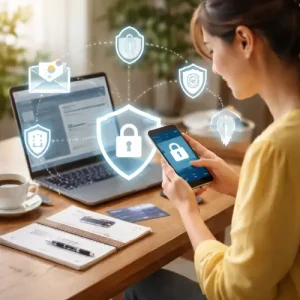

Ways to Secure Your Banking Information Key Takeaways
Protecting your bank accounts in today’s digital world is not optional — it is a necessary habit for anyone who sends money online, pays bills through apps, or receives payments from clients abroad.
- Implementing strong passwords and two-factor authentication are the first lines of defense against unauthorized access to your accounts.
- Recognizing and avoiding phishing scams and public Wi-Fi pitfalls can prevent most common banking fraud attempts.
- Building consistent digital hygiene — such as monitoring accounts and updating apps — helps you detect problems early and protect your financial data long-term.
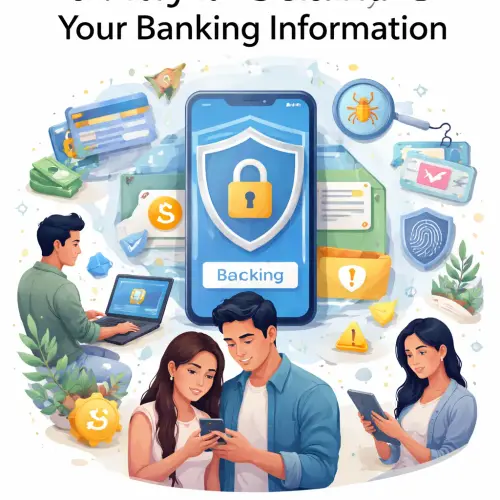
One of the simplest best practices for online banking security is checking your account history frequently. Early detection of unauthorized transactions can prevent larger losses.
How Do I Check If My Bank Account Is Secure?
Log in to your banking app or website at least once a week. Review all recent transactions — even small amounts — because hackers often test with tiny charges before making a big withdrawal. Set up transaction alerts via SMS or email so you get notified instantly of any activity.
What to Look For
- Unfamiliar transactions, even for small amounts
- Login attempts from unknown devices or locations
- Changes to your contact information or registered mobile number
6. Protect Your OTP Codes from Fraud
OTP (One-Time Password) codes are meant to verify your identity, but scammers constantly devise new ways to steal them. Knowing how to protect OTP codes from fraud is essential for every bank account holder. For a related guide, see 8 Signs Your Bank Account May Be at Risk Fraud Risk Tip.
How OTP Theft Happens
- SIM swapping: Scammers trick your mobile provider into transferring your number to their SIM card.
- Phishing calls: Someone impersonates a bank representative and asks you to read your OTP.
- Malware on your phone: Apps that request SMS permissions can capture OTP codes.
How to Protect Yourself
- Never share your OTP with anyone, even if they claim to be from the bank.
- Enable a SIM PIN or lock with your mobile provider to prevent SIM swapping.
- Install apps only from official stores (Google Play, Apple App Store) and review permissions.
7. Use Only Secure and Updated Banking Apps
Banks invest heavily in securing their mobile apps, but using an outdated version — or a third-party app — exposes you to risks. Secure apps protect financial data by encrypting your transactions and requiring biometric authentication.
How Secure Apps Help Protect Financial Data
Official banking apps use end-to-end encryption, meaning even if someone intercepts the data, they cannot read it. Many also offer fingerprint or face recognition login, which adds convenience without sacrificing security.
Practical Tips
- Download banking apps only from official sources: Google Play, Apple App Store, or the bank’s website.
- Enable automatic updates so you always have the latest security patches.
- Log out of the app when you finish, especially if you share your device.
8. Avoid Common Banking Security Mistakes
Many Filipinos unknowingly commit common banking security mistakes that put their accounts at risk. Recognizing these habits is the first step toward correcting them.
Frequent Errors to Avoid
- Writing down passwords on sticky notes or saving them in unencrypted notes on your phone.
- Using the same password for your email and your bank account.
- Clicking links in unsolicited emails or text messages.
- Sharing your ATM PIN or online banking password with family members.
- Ignoring software updates on your phone or computer.
What Habits Improve Online Banking Safety?
Small daily habits add up to strong protection: using a password manager, enabling biometric login, and setting aside five minutes each week to review your accounts. For freelancers and small business owners who handle multiple transactions, these habits are especially critical.
9. Act Immediately If Compromised
Even with the best precautions, breaches can happen. Knowing what to do if your banking information is compromised can minimize damage and speed up recovery.
Step-by-Step Emergency Plan
- Contact your bank immediately using the official hotline. In the Philippines, call your bank’s 24/7 customer service number (e.g., BPI: (02) 889-10000, BDO: (02) 8631-8000). Ask them to freeze your account.
- Change your online banking password and revoke access to any unfamiliar devices.
- File a report with the National Bureau of Investigation (NBI) Cybercrime Division or the Philippine National Police (PNP) Anti-Cybercrime Group.
- Monitor your accounts for any further suspicious activity even after the issue seems resolved.
How can I protect my banking information from hackers after a breach? Consider closing the compromised account and opening a new one with a different bank for an added layer of safety.
Useful Resources
- Bangko Sentral ng Pilipinas (BSP) Consumer Protection: The BSP provides guidelines on safe online banking and a list of authorized banks. Visit their official site for updates on cybersecurity advisories: BSP Consumer Protection.
- Phishing and Scam Reporting at BPI: BPI’s security page explains how to identify and report phishing emails, a key skill for avoiding phishing scams in banking. Access it here: BPI Phishing Reporting.
This guide was written to help Filipino digital banking users, OFWs, freelancers, and small business owners protect their hard-earned money. By following these ways to secure your banking information, you can bank online with confidence and peace of mind. For a related guide, see 10 Common Online Banking Scams to Avoid Completely Tips.
Frequently Asked Questions About Ways to Secure Your Banking Information
What are the 9 ways to secure your banking information properly?
The nine methods include: using strong passwords, enabling two-factor authentication, avoiding phishing scams, never using public Wi-Fi, monitoring accounts regularly, protecting OTP codes, using secure and updated apps, avoiding common security mistakes, and acting immediately if your information is compromised. Each method builds on the others to create a comprehensive security strategy.
How can I protect my banking information from hackers?
Start with a unique, strong password for each account and enable two-factor authentication using an authenticator app. Avoid clicking links in unsolicited messages, and never share OTPs or PINs. Keep your banking app updated and monitor your transaction history weekly.
What are the best practices for online banking security ?
Key best practices include: using a password manager, enabling biometric login, keeping software updated, avoiding public Wi-Fi for transactions, and reviewing account statements regularly. Also, always type the bank’s URL directly instead of clicking links.
How do strong passwords protect bank accounts ?
Strong passwords — long, random, and unique — make it extremely difficult for automated hacking tools or brute-force attacks to guess them. They act as the first barrier against unauthorized access, especially when combined with two-factor authentication.
Why is two-factor authentication important for banking safety?
Two-factor authentication requires a second piece of evidence — like a code from an app — in addition to your password. Even if a hacker steals your password, they cannot log in without the second factor, significantly reducing the risk of account takeover.
How can I avoid phishing scams in banking ?
Never click links or open attachments in unsolicited emails or messages. Verify the sender’s address carefully, and contact your bank directly using their official hotline if you are unsure. Remember, banks never ask for your password or OTP via email or text.
Is it safe to use public Wi-Fi for banking transactions?
No, it is not safe. Public Wi-Fi networks lack encryption, allowing hackers to intercept your data. Use your mobile data connection instead. If you must use Wi-Fi, install a reputable VPN that encrypts your traffic.
How do I check if my bank account is secure?
Log in regularly and review recent transactions. Set up SMS or email alerts for all account activity. Also check that your registered mobile number and email address are correct. If you see anything unusual, contact your bank immediately.
What should I do if my banking information is compromised?
Call your bank’s 24/7 hotline to freeze your account and change your password immediately. File a report with the NBI Cybercrime Division or PNP Anti-Cybercrime Group. Monitor your other accounts closely for suspicious activity in the following weeks.
How can OTP codes be protected from fraud?
Never share your OTP with anyone, even if they claim to be from your bank. Use an authenticator app instead of SMS when possible. Enable a SIM PIN with your mobile provider to prevent SIM swapping. Also review app permissions on your phone to block malicious apps from reading SMS.
What are the most common banking security mistakes ?
Common mistakes include reusing passwords across sites, saving passwords in plain text, clicking links in suspicious messages, sharing PINs with family, ignoring software updates, and using public Wi-Fi for banking. Avoiding these errors dramatically reduces your risk.
How do secure apps help protect financial data?
Secure banking apps encrypt all data sent between your device and the bank’s servers. They also offer biometric login, automatic logout, and regular security updates. Always download apps from official stores to avoid fake or malicious versions.
How can I prevent identity theft in banking ?
Guard your personal information zealously. Shred documents with account numbers before discarding them. Use strong, unique passwords and enable two-factor authentication. Monitor your credit report and bank statements regularly. If you suspect identity theft, report it to the BSP and your bank.
What habits improve online banking safety?
Developing routines like reviewing your account weekly, updating passwords every few months, installing app updates promptly, and logging out after each session creates a strong security posture. These small habits, done consistently, protect you from most threats.
How can beginners secure their banking information effectively?
Start with the basics: create a strong password and enable two-factor authentication. Next, learn to recognize phishing attempts and avoid public Wi-Fi. As you grow more confident, use a password manager and set up transaction alerts. Take it one step at a time.
Does using a VPN help with banking security?
Yes, a reputable VPN encrypts your internet connection, making it harder for hackers to intercept your data, especially on public networks. However, a VPN is an extra layer, not a replacement for strong passwords and 2FA.
Can I use biometrics like fingerprint or face ID for banking?
Absolutely. Most banking apps in the Philippines now support fingerprint or face recognition for login. Biometrics are convenient and secure because they use something unique to you, but always set a strong backup password as well.
Should I save my banking password in my browser?
It is safer to use a dedicated password manager than your browser’s built-in password storage. Browser password managers are often less secure and can be accessed if your device is compromised. A third-party manager offers encryption and better control.
What should OFWs do to protect their remittance accounts?
OFWs should use dedicated remittance apps from official providers, enable 2FA, and avoid using public Wi-Fi at airports or cafes when sending money. Register your mobile number with your bank to receive alerts. Inform your family to never share OTPs or passwords sent to your number.
How often should I change my banking password?
Unless you suspect a breach, changing passwords every three to six months is sufficient. More frequent changes can lead to weaker passwords. Instead, focus on making each password strong and unique, and use a password manager to keep track.